
Author profile


Farm Life
Farm employers are facing a host of conundrums concerning staff as the Coronavirus crisis deepens. Sharmon Blackwell of CXCS provides 10 key pointers.
 30 March 2020
•
4 min read
30 March 2020
•
4 min read
Farm Life
There is no doubt that beating the Covid-19 pandemic will require a sustained, collective effort unknown in this country since the end of the second world war.
29 March 2020
•
2 min read
Arable
The lockdown of most of the nation’s population will hopefully have the desired effect of slowing down this hellish virus.
29 March 2020
•
2 min read
Arable
By the end of February we’d had nearly one metre of rain over the previous twelve months and well over 100 days of recordable rainfall since the intended start of drilling in late September.
28 March 2020
•
3 min read
Livestock
We certainly are living in strange and scary times. At the beginning of the month, I had a decent amount of bookings in the diary for the bed and breakfast.
28 March 2020
•
2 min read
Dairy
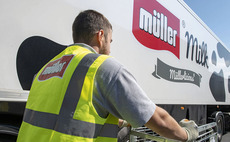
The dairy company have launched a campaign to recruit up to 300 additional key workers to help manufacture and deliver essential dairy produce.
27 March 2020
•
2 min read
Livestock
Extreme winter weather has left a legacy of catch up jobs, and managing existing grassland and assessing which fields need to be reseeded is among them.
27 March 2020
•
3 min read
Livestock
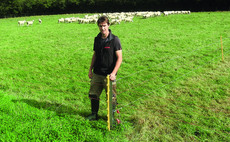
For Ian Horsely, what happens below ground on his 56-hectare (140-acre) unit near Bromyard, Worcestershire, is key to his farming future, and utterly dependent on the way he farms.
27 March 2020
•
4 min read
Farm Life
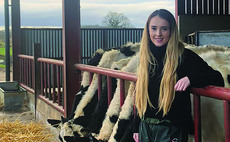
Olivia, 22, from Whitchurch, Shropshire, is currently studying an FdSc in Dairy Herd Management at Reaseheath College and was recently crowned runner up in the prestigious Royal Association of British Dairy Farmers (RABDF) 2020 ‘Dairy Student of the Year’ competition.
27 March 2020
•
1 min read