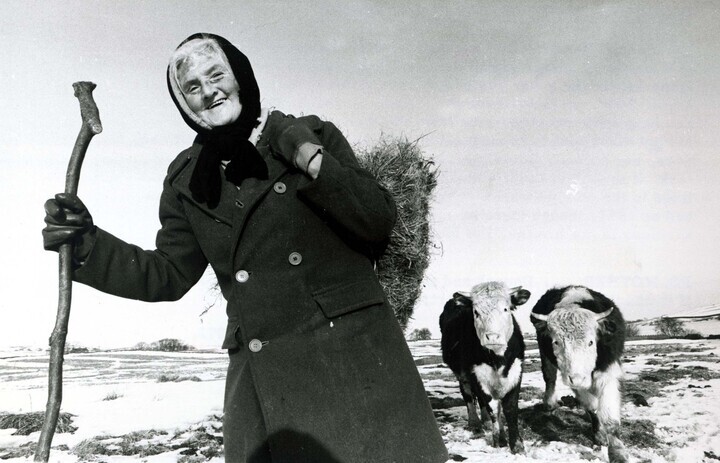


Land Girls
During World War I and World War II, thousands of women joined the Women's Land Army (WLA) and stepped into the boots of men who were away at war.
Known as Land Girls, members of the WLA worked across the country in order to protect the nation's food security which was at risk due to German blockades - around 70% of Britain's food was imported before the war. By the end of the second World War, that number was all but reversed.
READ NOW: Who is Amelia King, the Black Land Girl who wanted to farm in WWII?
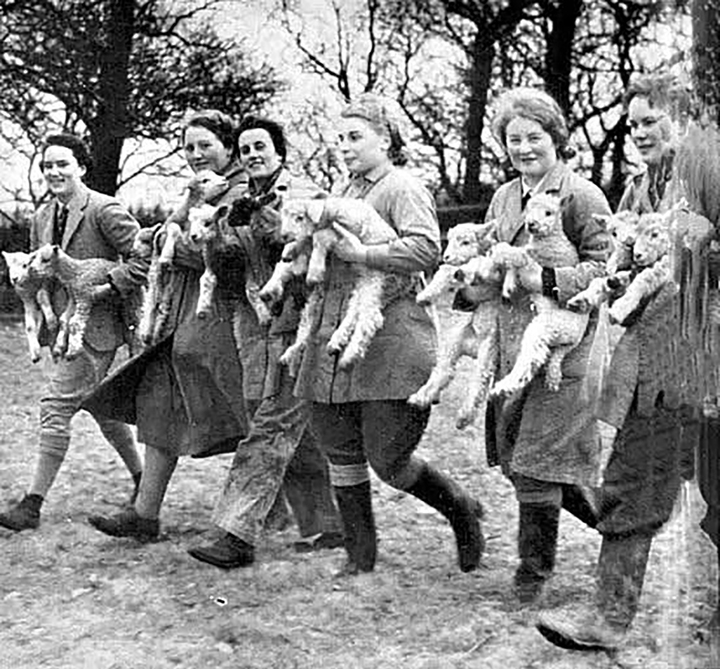
Margaret Hawke (age unknown)
Margaret Hawke made history by winning the open country ploughing championships, but the media attention came due to the fact she beat her own brother, and in the late 1940s Margaret defied the gender stereotypes.
She competed using a traditional team of horses known as Rose and Judy.
READ NOW: Spirited sisters unite through grief and grit to run Cheshire mixed farm
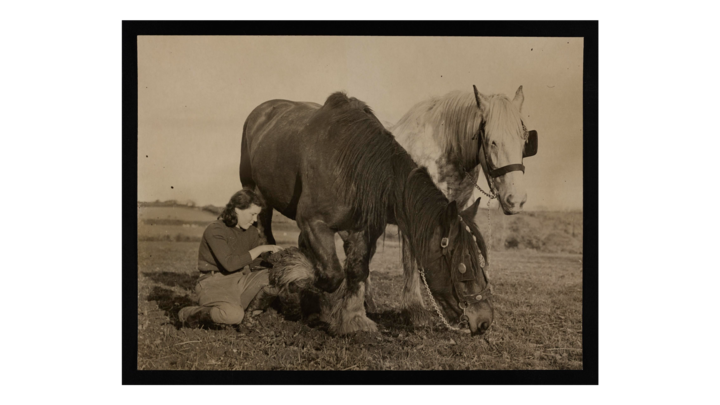
Anne Lister (1791 - 1840)
Anne Lister farmed in West Yorkshire and inherited Shibden Hall in 1836 after previously managing it for her aunt and father.
Taking charge of around 400 acres, the estate included numerous farms and cottages, and she oversaw various agricultural tenants, collected rents and ensured farm businesses were managed effectively.
Anne is known for documenting detailed inspections in her diaries, while creating an area of parkland within view of Shibden Hall, and built a wilderness garden following the fashionable Romantic style.
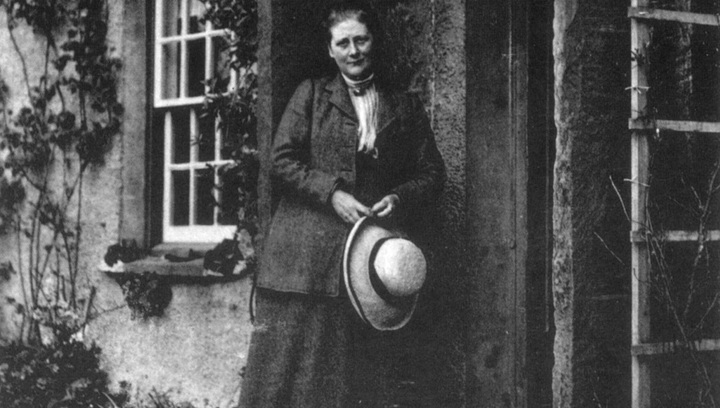
Beatrix potter 1866 - 1943
A renowned children's author, Beatrix Potter's other passion was conservation, particularly in the Lake District.
After saving earning's from her books, which, of course, included the world-famous Peter Rabbit, she purchased Hilltop Farm near Hawkshead.
She became an expert breeder of Herdwick sheep and was even set to become the Herdwick Sheep Breeders Association president before she passed away.
Beatrix left 4,000 acres and 15 farms to the National Trust.
Hannah Hauxwell (1926 – 2018)
Living an isolated life out in the Yorkshire Dales, Hannah Hauxwell became famous for her back-to-basic life at Low Birk Hatt Farm, which had no electricity or running water.
The BBC documentary on Hannah, Too Long A Winter, catapulted her into the limelight and showcased her trying to run the 80-acre farm after the death of her parents.
She captured the nation's hearts though, with her no-nonsense approach to life.