



For us at Nestle, we've been proudly sourcing from UK farmers for decades, and our business has always depended on the fantastic job they do producing the raw materials that go into some of the nation's best-loved products.
Looking ahead, the long-term success of our business, and the wider food system, depends on resilient soils, productive farms and profitable rural businesses.
In the UK, we're sourcing across multiple farming sectors, from dairy used in our confectionery and coffee products, to cereals used in breakfast cereals, confectionery and pet food, as well as British-grown sugar beet. Working with such a wide range of farmers has shown us that regenerative agriculture isn't a one-size-fits-all solution. Every farm is different, which is why the programmes we develop are designed around the needs of the individual farmers, their farms and their local context.
The challenges facing the arable sector have never been clearer. Much of our cereal sourcing comes from the East of England, which at the time of writing is experiencing one of the hottest and driest periods in living memory. And this is on the back of one of the warmest and wettest Spring's on record. It's a stark reminder that if we want productive arable farming to thrive in the future, we need farming systems which are better able to cope with unpredictable weather. At Nestlé, we believe regenerative agriculture can play an important role, which is why we've set a goal of sourcing at least 50% of our key ingredients through regenerative agriculture by 2030.
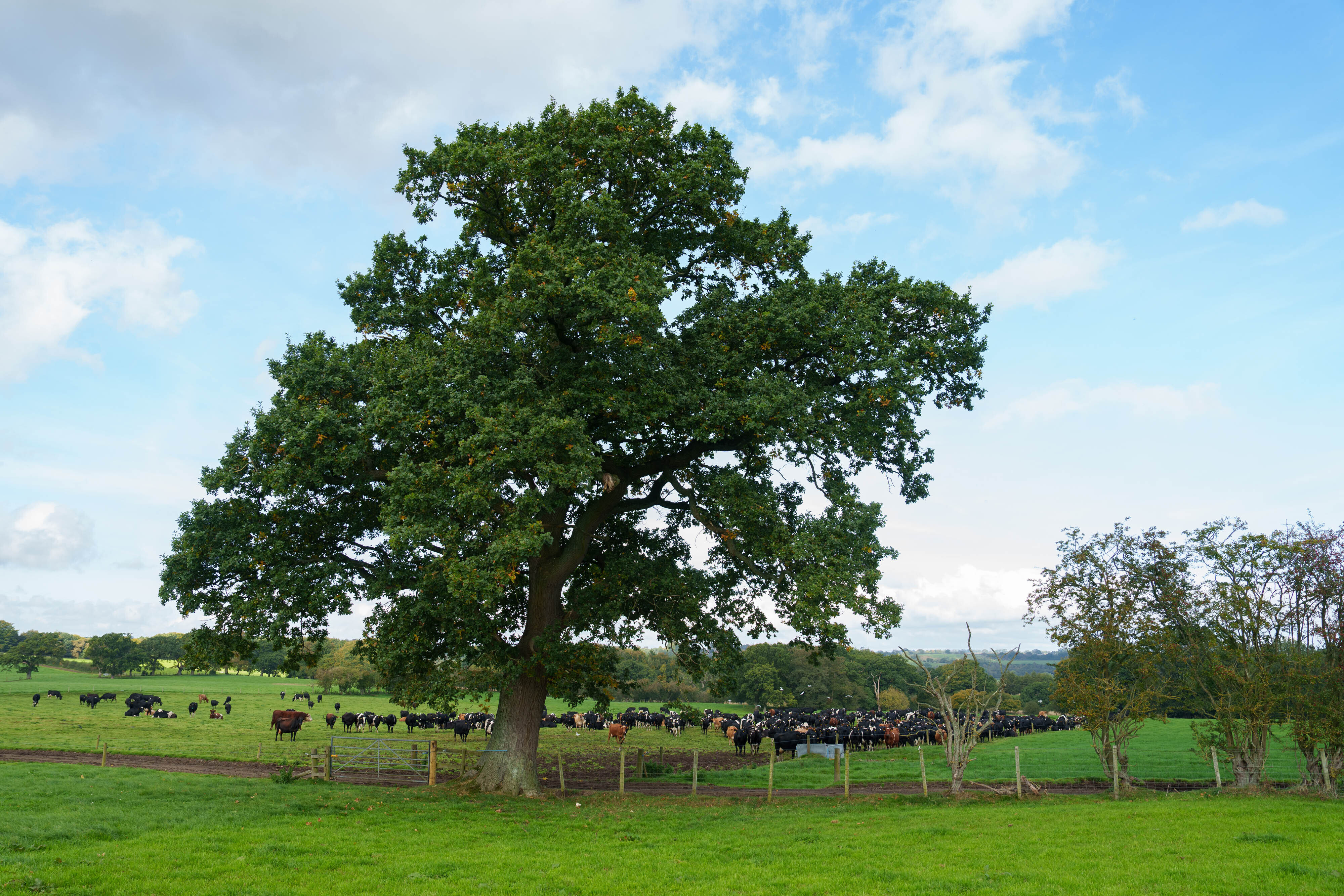
The good news is that we have made a positive start towards that 50% goal, with 27.6% of our key ingredients coming from farms using regenerative practices in 2025. But more importantly, we have seen the farmers in our supply chains building more resilient, profitable and environmentally friendly farming systems.
In the journey so far, we have launched a number of programmes globally, some of which have been hugely successful, and some that have not quite worked out as we would have hoped. There is no one pathway to more regenerative sourcing and alongside our farmers and suppliers, we're learning as we go.
What we have found is that working closely together with our suppliers and likeminded agronomic partners is crucial to integrating regen-ag programmes into our supply chains successfully. Likewise, no farm business can prioritise environmental outcomes if it is not commercially viable. Any transition must work both agronomically and financially.
In the arable sector, we have several programmes currently operational in the UK. The most recent to launch is our landmark agreement with Wildfarmed, whose farmers are now supplying just over half the wheat flour that goes into the iconic KitKat, with around 1.5 billion produced every year at our York factory.
The Wildfarmed programme is a great example of how support can go beyond the traditional incentive-only model. There are, of course, attractive incentives for farmers growing with Wildfarmed, helping de-risk changes they make on farm. But there is agronomic support from the Wildfarmed team, allowing farmers to make informed choices on which changes they make to their systems, and perhaps most importantly, they have built a community of Wildfarmed growers, where they share experiences and learn from one another.
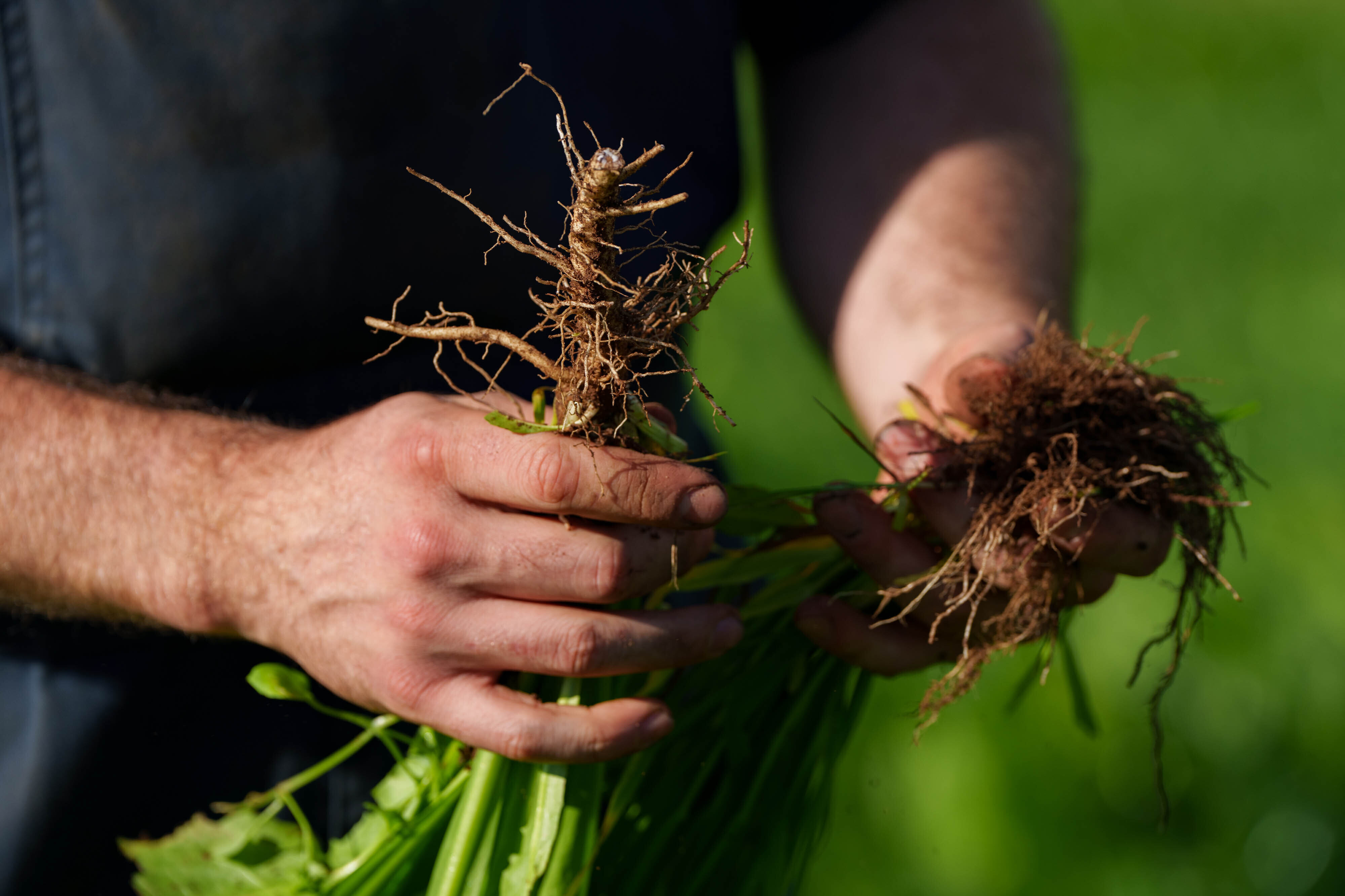
We have seen this too from our partners at LENS (Landscape Enterprise Network), who have recently partnered with leading agronomists at Ceres Rural to provide additional technical guidance and expertise. Outside of the arable sector, our 22-year partnership with First Milk goes from strength to strength. As a business, we are increasingly looking to how we support the next generation of British farmers, after all, a business is not truly resilient if there is nobody there to run it in the future. In May, together with First Milk we launched the Young Dairy Leaders programme, which focuses on practical learning reflecting the realities of running a modern dairy business.
Outside of our supply chain programmes (of which there are more to come), we're continuing to invest in trials, partnerships and initiatives that can help build a more resilient future for UK agriculture. But we know Nestle is only one part of the picture.
What we've seen time and again is that the best results come when there's honest conversation and strong collaboration across the supply chain, from farmers and agronomists through to suppliers and manufacturers, and ultimately with consumers. The better we understand each other's challenges and opportunities, the more effectively we can work together to build supply chains that work for everyone involved.
If we can do that, the future of UK arable farming is full of opportunity. Together, we can support a food system that is productive, profitable and resilient, while protecting and restoring the natural resources it depends on.
For UK farmers, that's both a challenge and an opportunity. For us at Nestlé, it's a responsibility we're committed to playing our part in.


