Dairy and beef farms saw a 44% increase respectively, with feed again making a considerable contribution
Farm input costs have increased by an average of 44% since 2019 according to research by the AHDB.
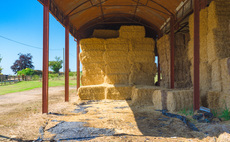
The biggest area of expenditure was straw (bedding) which has more than doubled, while electricity, fertiliser, animal feed and motor fuels increased by 38% to 50%. Other costs such as veterinary treatment, machinery, transport and labour expenses were also included in the analysis.
The research examined how farming costs have changed in line with inflation between December 2019 and May 2024, taking into account what it termed a ‘basket of goods' based on typical costs incurred by farms.
READ NOW: Contracting costs increase
When broken down by sector, pig farming saw the greatest input costs increase at 54%, with feed prices the main driver.
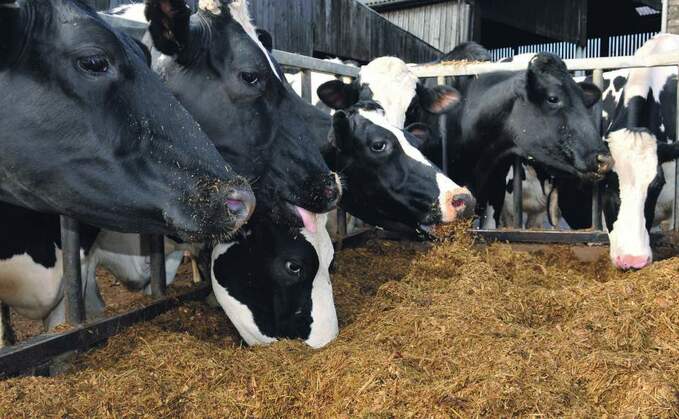
Dairy farms and beef and sheep farms saw a 44% and 39% increase respectively, with feed again making a considerable contribution.
For cereals and mixed farms, inputs increased by 43%, with fertiliser and machinery related costs being the key drivers.
READ NOW: In Your Field - the cost of straw and diesel kills the job
Amandeep Kaur Purewal, AHDB senior economist, said: "Our research highlights the challenges faced by farmers as rising input costs continue to put pressure on their businesses."
The research also pointed out that while farm input costs increased by more than 40%, the total funding pot for agriculture in the UK has remained constant at £2.4 billion since the 2019 to 2024 parliament.
Megan Hesketh, AHDB lead data analyst, said: "According to our analysis, the farming budget would need to increase by 44% to £3.4 billion just to offset the effect of inflation. This is without taking into account any other spending required to support the farming sector."