March definitely proved to be the month for on-farm maintenance. Whether it was repairing silage clamps, fixing broken cubicles or maintaining machinery, it was all tackled last month.
Ive heard it said that a business should prepare to spend around 15 per cent of its annual work time on maintenance and it feels like weve already done just that.
Often, at this time of year we would still have healthy stocks of silage, however probably due to the heat of last years summer, we can now see the back wall of our silage clamps, which tells a story.
Locally, silage stocks are looking tight especially after the 2022 season. That said, the applications of slurry to almost every field in February has proven a success as grass covers are now looking most respectable according to our plate-meter.
The arrival of spring seems to have bought a little warmth which is welcome, however, constant monitoring of the forecast reminds me the average daily temperature is still struggling to hit the magical 10degC when I am told grass growth should really accelerate.
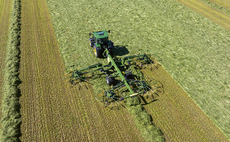
Maize seed has started arriving, however, last year our first drilling date was April 18. Unless things change dramatically, this years first drilling will be closer to the 28th.
Prices for seed are up, no doubt reflecting last years drama. It will be interesting to see where prices will be next year, given what has happened to cereal prices of late.
In recent years, with the demise of Basic Payment Scheme (BPS) payments, we have been encouraged to embark upon various stewardship programs which were designed to help bridge the BPS shortfall.
However, keeping abreast of these fast-changing schemes appears to be quite the task. Our farm consultant has highlighted that things are changing once again and has advised that new developments may change the approach we take, so we await some clarity.
The news has recently highlighted how managing emissions from within the livestock industries is gaining momentum.
Hollands plans to reduce nitrogen emissions have resulted in regional election upsets with a farming party gaining many seats.
It would appear that there is growing frustration within the voting public with the rules set out by the EU on managing emissions from farming, as the Netherlands is currently the worlds second largest exporter of agricultural products.
Here in the UK, I believe there are plans afoot to introduce mandatory feed additives to the national dairy herd which should help reduce the methane emitted from cows. It is estimated this would add an extra 33p/year to an average consumer.
This sounds like a good example of a positive development which is nearly cost-neutral, that helps get us closer to our sustainability goals.