
Author profile

Dairy
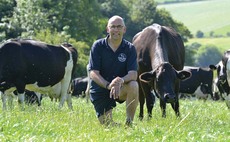
Taking a lead from New Zealand where most dairy farms are using fresh semen, Cogent has identified a gap in the UK market which might provide an alternative solution to the needs of block calving farms.
 28 July 2020
•
4 min read
28 July 2020
•
4 min read

Livestock
The Covid-19 pandemic has held the attention of the world since January, but as the UK stumbles towards the end of the Brexit transition period, there is an urgent need to refocus.
28 July 2020
•
3 min read

Farm Life
Talk of broken supply chains is plentiful on agri-social media and in the farming press, but solutions are much harder to find.
26 July 2020
•
3 min read

Arable
John Hunt, 22, is a Harper Adams graduate from Woburn, Cambridgeshire, and is set to start work as a business analyst for the G’s Group, a national salad producer.
26 July 2020
•
2 min read

Farm Life
This year is turning out to be a bit of a weather rollercoaster here in Dorset. The decent amount of rain we had a few weeks ago did us the world of good, but has quickly gone and we are again desperate for rain and struggling for grazing grass.
25 July 2020
•
2 min read

Farm Life
Being food producers, farmers know there is no such thing as a free lunch. Someone somewhere has worked hard to provide such generosity.
24 July 2020
•
2 min read

Arable
Without some serious changes, the Trade and Agriculture Commission could end up becoming little more than a fig leaf for the Government’s failure to protect production standards in law, says Labour Shadow Farming Minister Daniel Zeichner.
24 July 2020
•
3 min read

Arable
Strange claims about trade deals with other countries increasing UK farmers’ use of insecticides must be taken with a pinch of salt, says Adam Speed, head of communications at the Crop Protection Association (CPA).
24 July 2020
•
3 min read
Arable
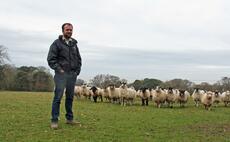
With the chance of reaching a good trade deal with the EU slipping away, we may soon need to start knitting parachutes for a cliff edge exit in December, says Matt Legge, a sheep, beef and pig farmer from the Isle of Wight.
24 July 2020
•
3 min read

Arable
Rows between the SNP and Tories over where power lies post-Brexit will not benefit Scottish farmers or the economy, which relies on intra-UK trade, says North East Liberal Democrat MSP Mike Rumbles.
24 July 2020
•
2 min read