



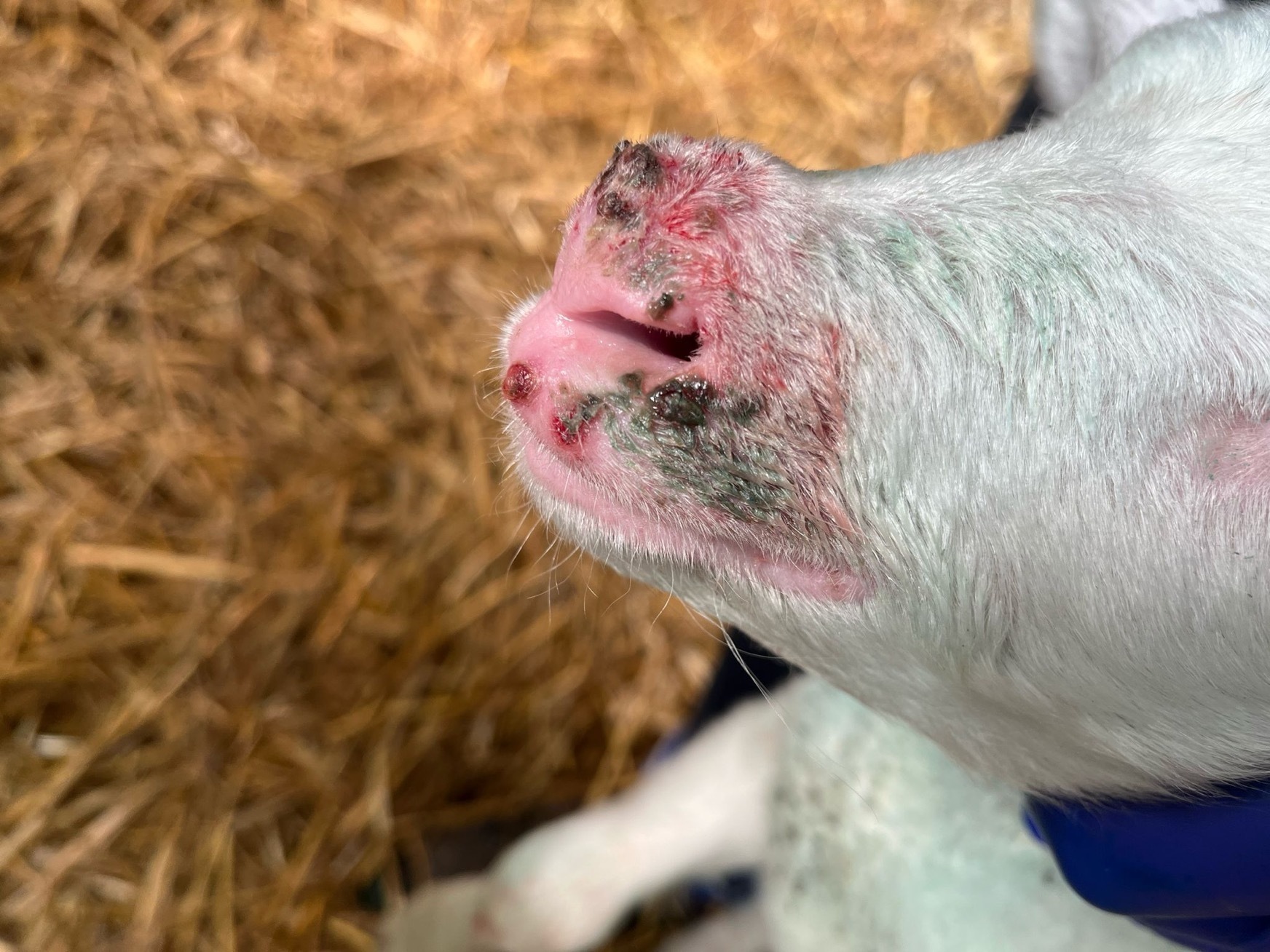
Orf remains a familiar and frustrating challenge on many UK sheep farms. This contagious viral disease typically presents as scabby lesions around lambs' mouths and nostrils and can spread to the teats of ewes through suckling. The virus is easily transmitted by direct contact and via infected scabs in the environment, which can remain infectious for months. Small abrasions to the skin, often caused by rough forage, provide an entry point for infection.
While many cases resolve within six to eight weeks, outbreaks can move quickly through a susceptible flock. The impact extends beyond the visible lesions. Reduced lamb growth rates, secondary bacterial infections and mastitis in ewes can all influence flock performance. Across the UK sheep sector, orf is estimated to cost more than £14 million annually, with the financial effect on individual farms varying according to outbreak severity and flock size.
Even where cases are considered ‘mild', lost growth and additional labour can quietly erode margins.
There is also a human health consideration. Orf is zoonotic, meaning it can cause painful lesions in people handling affected sheep, making good hygiene and glove use essential.
Practical lesion management
There are currently no UK-licensed treatments for orf. Management is typically supportive, with antibiotics reserved for cases where secondary bacterial infection develops.
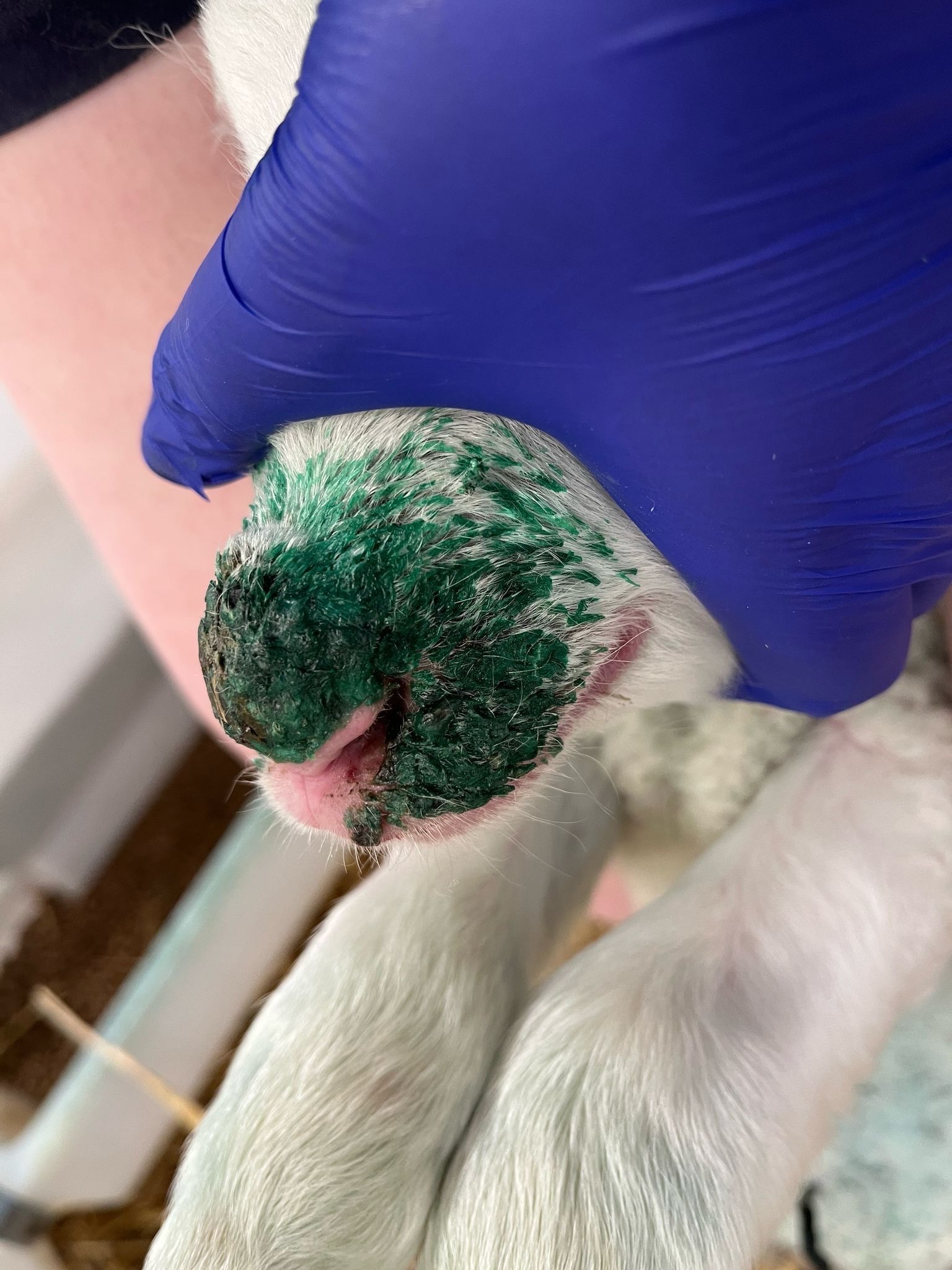
Alongside established flock health measures, some farmers are exploring barrier-based approaches to help manage lesions during outbreaks. Hydrophobic gel barriers are designed to form a protective physical layer over damaged skin. Work presented at the International Sheep Veterinary Conference and reported in the veterinary press has explored the use of gel barriers during orf outbreaks.
In those reports, applying a layer of hydrophobic gel over lesions was associated with drier, more stable scabs and fewer secondary infections. On farms involved in the project, this supported lesion management during outbreaks without the need for antibiotics in the reported cases.
In one flock experiencing a high level of infection in ewes pre-lambing, most lesions settled after application, with more severe cases receiving a second application a week later. Lambs were reported to appear more comfortable, allowing them to continue sucking and maintain feed intake during the outbreak.
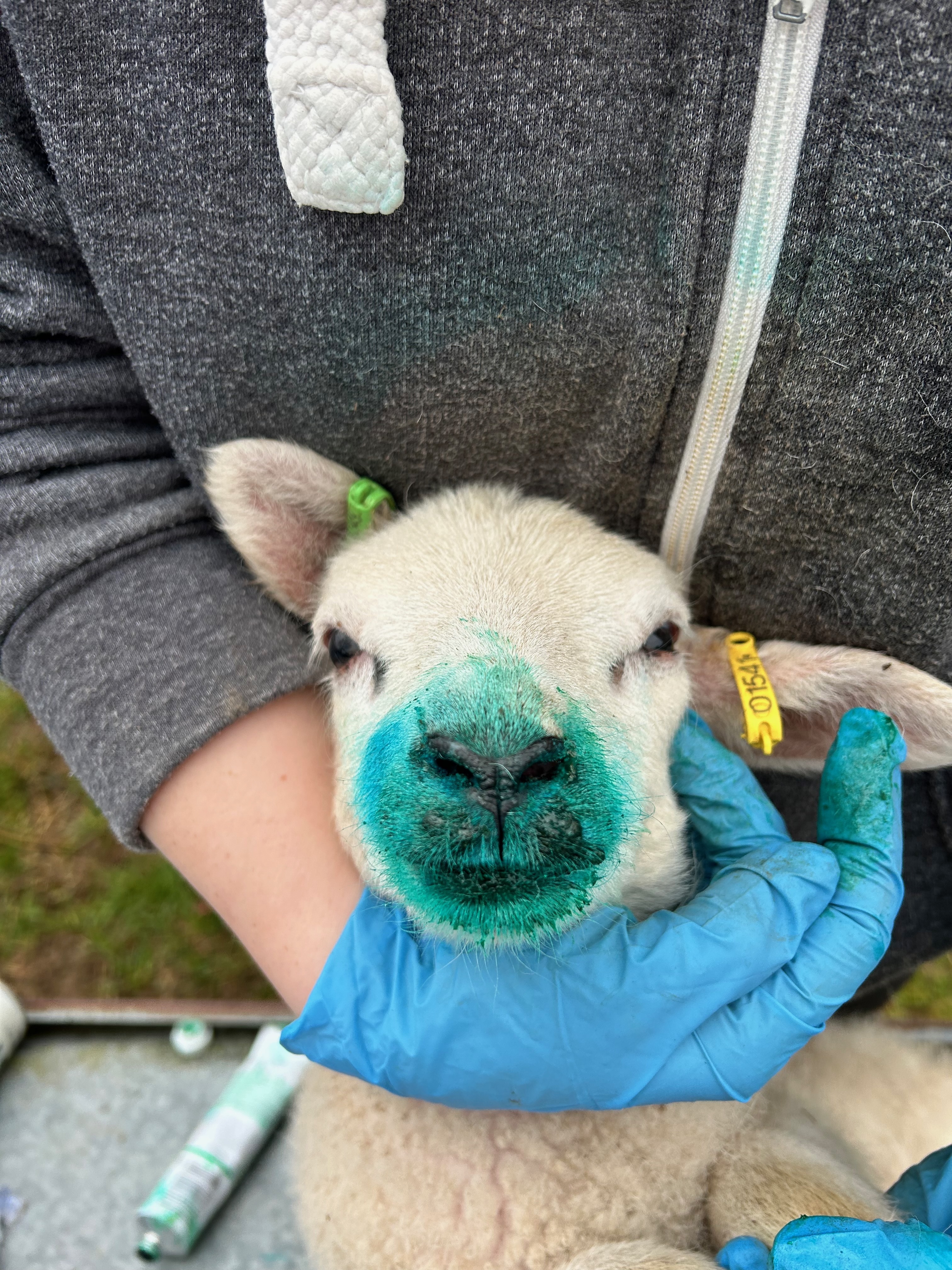
Applied with a gloved finger to create a 2–3mm layer over the lesion, the gel forms a durable, waterproof barrier that helps provide separation between the ewe's teat and the lamb's mouth during suckling. It naturally flakes away over a few days and can be reapplied if required. Being antibiotic-free, it does not require a prescription and carries no withdrawal period.
A whole-flock approach
Barrier options should sit alongside sound flock management. Isolating affected groups where practical, maintaining hygiene around feeding equipment and housing, and reviewing vaccination protocols with your vet remain central to outbreak control.
Orf may be common, but its impact on welfare, labour and profitability should not be underestimated. Taking a proactive, practical approach to lesion management can help maintain lamb comfort and support flock performance during challenging periods.
For further advice on managing orf within your system, speak to your veterinary practice team.
Learn more
If you would like to explore the science, practical case experience and prevention strategies in more detail, you can register for the upcoming webinar, Tackling Contagious Pustular Dermatitis (orf) in Sheep and Goats.
The session will cover transmission, economic impact, prevention strategies and practical outbreak management to help you protect flock performance.
Publication references:
Collins-Wingate, E. (2025, October 27). A new approach to the management of contagious pustular dermatitis in UK sheep flocks. International Sheep Veterinary Conference, 27 - 31 October, Wollongong, Australia. DOI: 10.13140/RG.2.2.36650.89289
Farrow, E. (2025). Adhesive Gel Barriers for Orf in Lambs. Vet Times, 55(23), 17–19. https://www.vettimes.com/clinical/livestock/adhesive-gel-barrier-use-for-management-of-orf-in-lambs


