The Farming Equipment and Technology Fund 2026 (FETF) has reopened and continues to include three grant themes to help farmers buy equipment or technology to improve productivity, manage slurry and enhance animal health and welfare.
Applications open today, March 17, with funding worth between £1,000 and £25,000 available for each grant theme. Applicants can submit one application per theme, but may apply to all three, providing a maximum potential funding value of £75,000.
The 2026 funding round is likely to be the last under the current funding provision and forms part of the original Defra-launched £50 million scheme designed to support investment in productivity-boosting equipment and technology for farmers in England. The first round opened in 2021.
Who can apply?
Businesses can apply for a grant if they are based and registered in England and are either a farmer, horticulturalist, forestry owner or contractor providing services to farmers, horticulturalists or forestry owners.
Applicants may still be eligible if they have received funding in previous rounds of FETF or the now-withdrawn Countryside Productivity Small Grants Scheme.
However, grants under the Animal Health and Welfare (AHW) theme are only available for businesses farming beef cattle, dairy cattle, sheep, pigs, laying chickens (including rearing and breeding farms) or broiler chickens (including rearing and breeding farms).
As with previous rounds, the value of each listed item has been calculated by Defra based on an expected average cost gathered from a cross-section of suppliers.
The Rural Payments Agency (RPA) will allocate funding after all applications have been received and scored. Applicants can check an item's expected score in the items and specifications lists.
Funding for each of the three themes will be allocated starting with the highest-scoring applications until the budget is exhausted. This will determine the minimum scoring threshold required to receive funding.
The FETF 2026 scheme is competitive, meaning applicants may receive some, all or none of the funding requested.
Funding themes
For Productivity items, the RPA will pay a grant of 40% or 50% towards either the predetermined average cost listed by Defra or 40% or 50% of the actual cost if it is lower than the calculated value. Items costing more than the estimated price will not receive a higher grant value.
Slurry and Animal Welfare items receive a 50% grant, with the same cost restrictions as productivity items.
Productivity applications are scored on productivity benefit, environmental benefit and level of industry adoption, with each item receiving a score of up to 100.
Slurry items are scored on improvements to slurry management, environmental benefit and industry adoption, again with scores of up to 100.
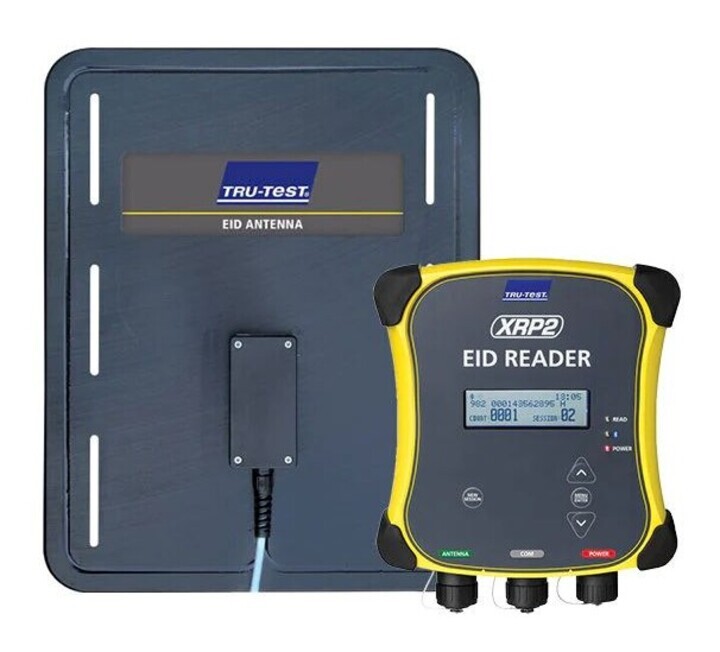
Applications for AHW items are assessed based on their contribution to Animal Health and Welfare Pathway priorities. Scoring is calculated by:
- Multiplying the score for each item by the quantity applied for and adding these together (Total A)
- Multiplying the maximum grant value for each item by the quantity requested (Total B)
- Dividing Total A by Total B
The RPA will then calculate the final application score by adding the scores for each item (with duplicate items only counted once) and dividing by the total number of items applied for.
Farmers or agents can apply online through the Farming Investment Fund service on the Defra website.
Applications close at midday on April 28, 2026.
Eligible equipment
Across the three themes, many items remain from previous funding rounds, although some specifications have changed. Applicants who previously applied but did not claim funding should check whether their chosen item still meets the latest eligibility criteria before reapplying.
Eligible businesses may wish to submit applications under all three themes to maximise funding opportunities.
While no items are duplicated across themes, applicants cannot receive funding for the same piece of equipment more than once, even if it meets multiple specifications.
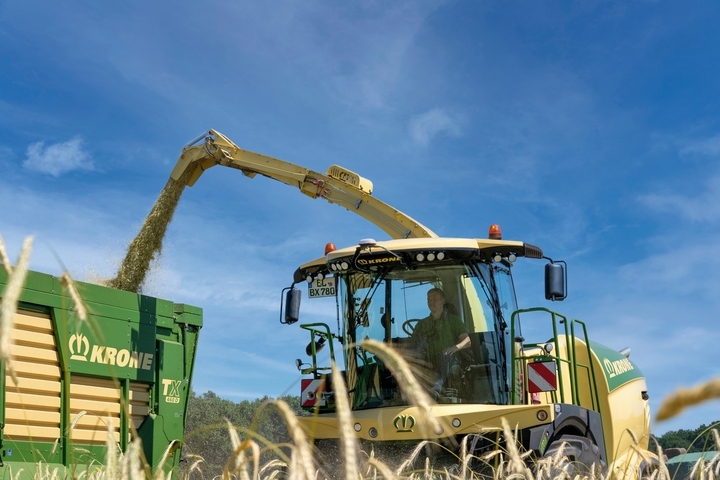
For example, a yield monitoring device with variable-rate control could qualify under two listings, but applicants must choose either yield monitoring or variable-rate control, not both.
For technology used across multiple machines, applicants should consult dealers and manufacturers to understand how systems can be used for different applications.
Near-infrared (NIR) sensors, for example, feature in several eligible technologies including:
- FETF220: Real-time in-line grain analyser with a grant value of £4,236
- FETF48: Real-time in-line forage crop analyser with a grant value of £6,800
- FETF29: Real-time in-line slurry nutrient analyser with a grant value of £10,803
Some suppliers allow these sensors to be used across several applications. Buyers should therefore ensure they apply for the most appropriate and valuable option if they only intend to purchase one sensor but have eligible applications to use it in multiple situations.
The RPA notes that FETF220 and FETF48 cannot be applied for together if only one sensor is purchased. If both are claimed, two sensors must be bought and will be funded at the respective values.