Farm Business
Farm Business
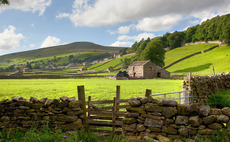
WHEN Minette Batters stood on the NFU conference platform last week and declared that throwing our world leading welfare standards on the funeral pyre of global trade would be ’morally bankrupt’ and ’insane’, she meant it as an admonishing challenge to Government, not as something to aspire to in wider policy construction.
 06 March 2020
•
2 min read
06 March 2020
•
2 min read

Arable
The Government is set to introduce E10 fuel by 2021 to help the UK meet its net zero target, following years of farming industry lobbying.
06 March 2020
•
1 min read

Farm Business
With over six million people visiting UK’s agricultural shows each year, thoughts have turned to the effect coronavirus may have on this year’s programme of events.
06 March 2020
•
1 min read
Livestock
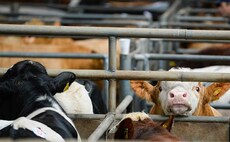
Newark Livestock Market has had its lease terminated by the local council over what it calls substantial rent arrears, but its sheep sale will take place on Saturday March 7.
06 March 2020
•
2 min read

Arable
The rain keeps falling. The sheds have rarely been tidier, the machinery more sparkling and the tractors more serviced. The land is just too sodden for fieldwork. There is nothing to do but wait for better conditions.
06 March 2020
•
2 min read

Livestock
A few years ago, our plan was to mitigate the loss of direct payments through diversification, but poor weather and prices mean that additional cash is being used to keep the farm afloat today, says Cornish lamb and beef farmer Rona Amiss.
06 March 2020
•
2 min read

Arable
The Agriculture Bill has potential to deliver for the environment, but the Government’s insistence on penny pinching during the transition period is likely to drive the farmers needed to implement the policy out of business, says Tim Farron MP, Lib Dem farming spokesman.
06 March 2020
•
3 min read

Arable
Labour has not always done the best job of speaking for the countryside, but farmers need us to raise their concerns now more than ever, because uber-loyal Tories afraid of Number 10 won’t, says Shadow Defra Secretary Luke Pollard.
06 March 2020
•
3 min read

Arable
The Government’s post-Brexit agriculture reforms provide an opportunity for farms to become more prosperous, but those who resist the push to become ‘park keepers’ risk being the first to go out of business, says independent consultant Derrick Wilkinson.
06 March 2020
•
3 min read
Arable
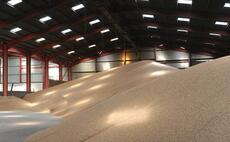
Australian wheat production is set to rebound more than six million tonnes on improved soil moisture to a four-year high of 21.35mt after this year’s catastrophic harvest.
05 March 2020
•
5 min read