
Author profile

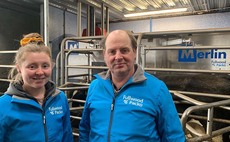
Improving grassland management is helping a family team increase stocking rate, cut fertiliser use and produce more milk from forage through robots. Ann Hardy reports
 26 March 2021
•
5 min read
26 March 2021
•
5 min read
Farm Life
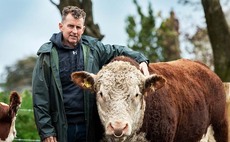
Having now retired from his rugby refereeing career, Nigel Owens is busy developing his own farm in west Wales, with pedigree Hereford cattle at the core of his operation. Laura Bowyer finds out more.
26 March 2021
•
5 min read
Farm Life
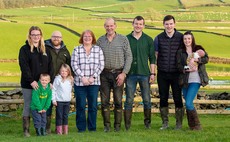
With Leaf’s Open Farm Sunday event set to go ahead face-to-face when lockdown eases, as well as online, Farmers Guardian caught up with one farming family gearing up to welcome members of the public again this year.
26 March 2021
•
1 min read
Livestock
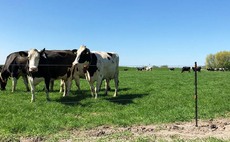
With feed prices increasing, making the most from spring grazing will be crucial to maintain margins, according to Mark Oliver from Gallagher.
26 March 2021
•
3 min read
Farm Life
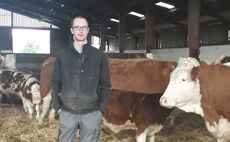
Grant Stephen, 23, from Dallas, Moray, is a general farm worker with a herd of 140 pedigree Simmentals. He has a small herd of pedigree Beef Shorthorns and comes from a farming family with 80 suckler cows and 500 breeding ewes.
26 March 2021
•
2 min read
Livestock
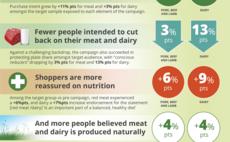
AHDB’s We Eat Balanced campaign aims to protect long-term attitudes to British meat and dairy, by reassuring consumers they can be part of a healthy and sustainable diet. After the first three months, Olivia Midgley assesses the changes in consumers’ hearts and minds.
25 March 2021
•
5 min read
Livestock
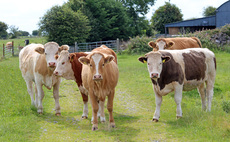
Wormer resistance is posing a threat to profitable production, but there are steps farmers can take now which will improve the sustainability of worm control and safeguard the future of cattle production.
25 March 2021
•
1 min read
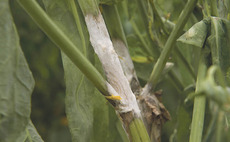
Sclerotinia infection in oilseed rape is predominantly driven by inoculum levels and weather events at earlyto mid-flowering, but a notable decline in incidences of the disease has been seen in recent years.
25 March 2021
•
5 min read
Arable
Serious about making more milk from forage? If you still have last season’s silage analysis reports, they offer a goldmine of tips for making better silage.
25 March 2021
•
6 min read
Arable
A long-term experiment shows climate, crop height, fertiliser and herbicide resistance are all to blame.
24 March 2021
•
4 min read