Profitability is not a nice to have, ‘it underpins absolutely everything we do'. It is what enables investment, whether that is in infrastructure or machinery and technology that makes businesses more efficient.
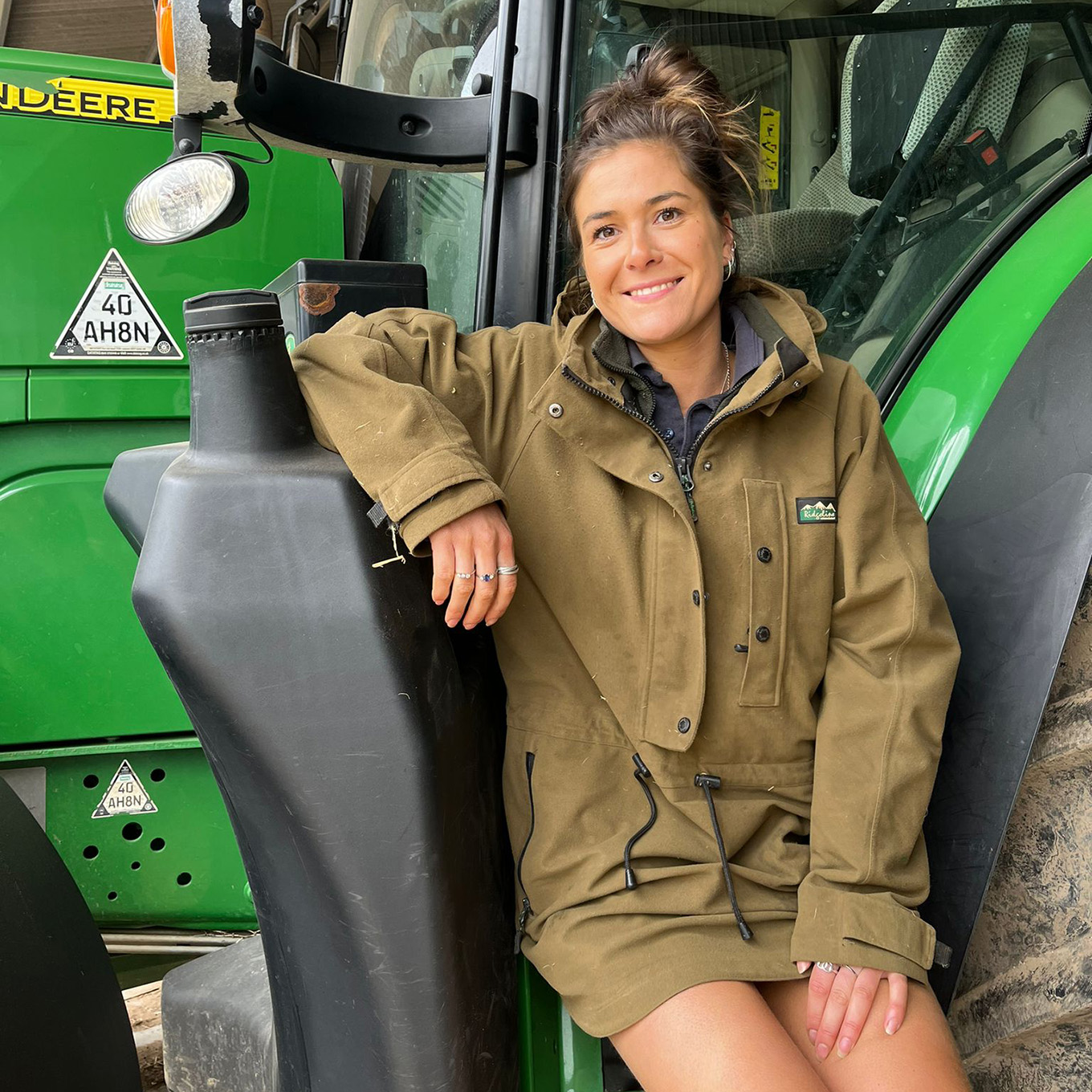
Part of the focus for Rebecca Wilson at her family farm in North Yorkshire is looking first at what can already be changed within the existing system.
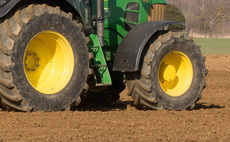
A shift from strip-till to a tine drill has allowed crops to be established in a single pass rather than three or four, saving time, fuel and machinery costs, while also supporting soil health.
That combination of commercial realism and longer-term thinking (along with a dose of optimism) set the tone for the first webinar in the Future of Farming series.
Profit as the foundation
For Ms Wilson, profitability is not something that comes at the end of a set of decisions; it is the factor that shapes them from the start.
Without it, investment stalls. On mixed farms in particular, she said, integrating enterprises and making better use of rotations can unlock both operational and financial benefits.
Longer rotations, the use of herbal and clover leys and the interaction between livestock and arable systems all play a role on the family farm. But these decisions are framed through a commercial lens. Reducing time on the tractor, lowering wear and tear on machinery and cutting fuel use are not secondary benefits; they are core drivers of margin.
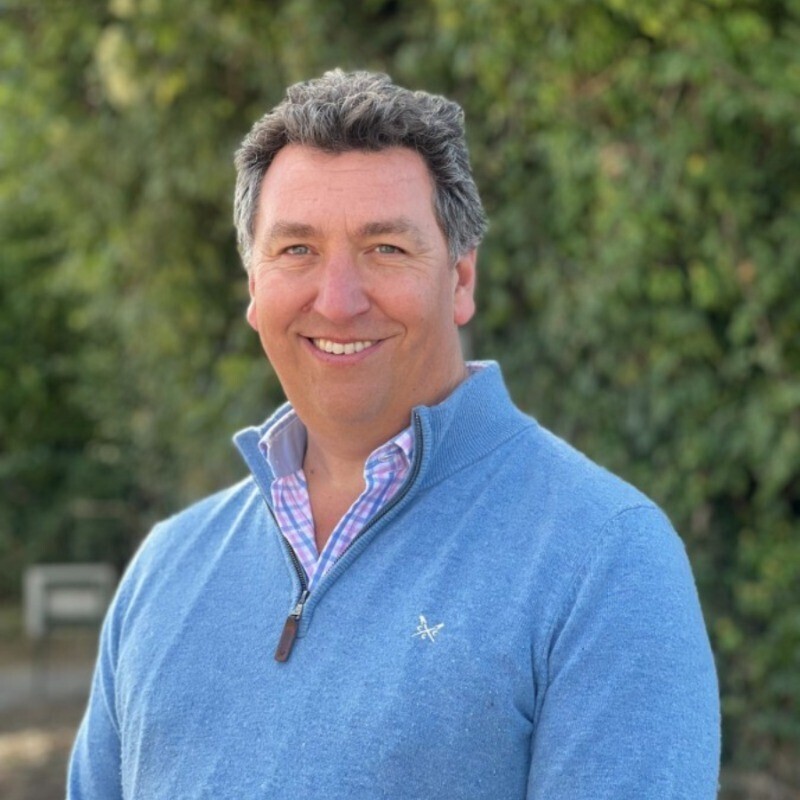
Much of the discussion centred on sustainability, a term both speakers acknowledged is used in many ways. For Ben Makowiecki, however, the definition is straightforward.
Sustainability begins with financial resilience. "If farms are not economically sustainable, they will not be there in the future," he said. Environmental outcomes, from soil health to water management, depend on businesses having the confidence and capacity to invest. In that sense, profitability is not in opposition to sustainability, but a prerequisite for it.
He pointed to the increasing impact of extreme weather as evidence that environmental resilience is no longer a theoretical concern. Building healthier soils and more resilient systems is essential, but this is only possible where businesses remain financially viable.
Regenerative farming
Few terms provoke as much debate as regenerative agriculture, and both panellists were clear that the label itself can be unhelpful.
Rather than focusing on definitions, Mr Makowiecki encouraged farmers to think in terms of principles and outcomes. Research into regenerative practices suggests that while yields may fluctuate during periods of change, margins can recover more quickly. The key, he said, is shifting focus away from yield alone and towards overall profitability. Ms Wilson echoed that message from a farmer's perspective. Transitions take time, and expectations need to be realistic.
She said: "If you expect immediate results, it is easy to lose confidence and abandon something that could deliver benefits in the longer term." While some regeneratively produced food is beginning to command a premium, both speakers were cautious about relying on consumer price signals. UK consumers largely assume food is already produced to high environmental and welfare standards, limiting their willingness to pay more. Any premium, they suggested, is likely to remain niche.
Profit
That reality raises a fundamental question: if food prices alone cannot deliver sustainable margins, where will profitability come from? Mr Makowiecki pointed to opportunities beyond the traditional food market. Outcomes such as flood mitigation and emissions reduction deliver value to wider society and to supply chains seeking greater security.
Agriculture, managing around 70% of the UK's land area, is well placed to deliver these outcomes. The challenge is ensuring that farmers are recognised, and paid, for that value. While public money for public goods has been widely discussed, Mr Makowiecki suggested that private supply chain investment may play an increasing role.
Ms Wilson approached ththe issue from another angle: public understanding. While she acknowledged that food prices in the UK have historically been low, she argued that consumer awareness was beginning to shift. Through social media and storytelling, farmers are increasingly able to show the realities of food production. She said: "It might feel incremental, but if more people choose British, buy in season or support farm shops, it does start to make a difference." One of the most practical discussions of the evening focused on data and environmental audits.
Mr Makowiecki suggested that the rollout of the Sustainable Farming Incentive represented a missed opportunity to establish consistent baselining across the industry. Mandatory whole-farm audits, he said, could have helped farmers understand their starting point across carbon, soil health, biodiversity and water. And positioned them to access emerging income streams.
Action plans
Through Lloyds' work with Soil Association Exchange, whole-farm environmental audits have already helped farmers build action plans rather than simply record metrics. Data, he added, was not an end in itself. Its value lies in informing decisions, identifying efficiencies and demonstrating progress where payment opportunities exist.
Ms Wilson reinforced the importance of data from an on-farm perspective. Improved record-keeping, benchmarking and trials all help businesses understand where changes can deliver value. At the family farm, field-level data is used to guide decisions such as variable lime application and seed rates. While individual adjustments may seem small, together they reduce unnecessary inputs and protect margins.
She said: "These marginal gains build over time and they give you confidence that the decisions you are making are the right ones for your business."
Collaboration
Both speakers emphasised that learning from others was one of the most underused tools available to farmers. Collaboration, in whatever form, offers both practical and personal benefits. Ms Wilson spoke about the value of getting off farm not only to share knowledge, but to gain perspective. Farming can be isolating, and understanding that others face similar challenges can be as important as any technical takeaway.
Mr Makowiecki added that many of the costs associated with change come from trial and error. Learning from others who have already tested approaches on similar land types can save time, money and, just as importantly, frustration.
Investment
When it comes to investment, timing and cashflow remain critical. Ms Wilson was candid about the role that direct payments previously played in providing a buffer for major decisions: a safety net that is now diminishing. As a result, investment decisions are becoming more cautious and more targeted.
From a banking perspective, Mr Makowiecki explained that lending decisions are as much about people as numbers. Experience and a decision-making track record matter as much as budgets, which can quickly become outdated. Succession planning was highlighted as a critical issue. Without a clear plan, confidence to invest, from both banks and the next generation, can quickly erode.
For Ms Wilson, open and unified conversations within families are essential. More broadly, both speakers identified people as a core pillar of sustainability. Training, development and valuing staff as contributors rather than simply labour are central to retention and long-term resilience. Global markets, trade deals and commodity prices remain largely outside farmers' control.
But the panel urged businesses not to become paralysed by those uncertainties. What can be controlled, Mr Makowiecki said, is enterprise performance, input use, engagement with schemes and emerging opportunities, and the quality of decision-making within the business. Ms Wilson summed it up more simply: farming has always been a longterm commitment. The challenge now is ensuring that commitment is supported by planning, data and people. By reality, not just optimism.
As the Future of Farming series continues, its opening webinar made one thing clear. Farming for profit is not about chasing trends or quick wins, it is about understanding your own business, protecting your margins and making decisions today that allow farms to remain relevant and viable in the years ahead.