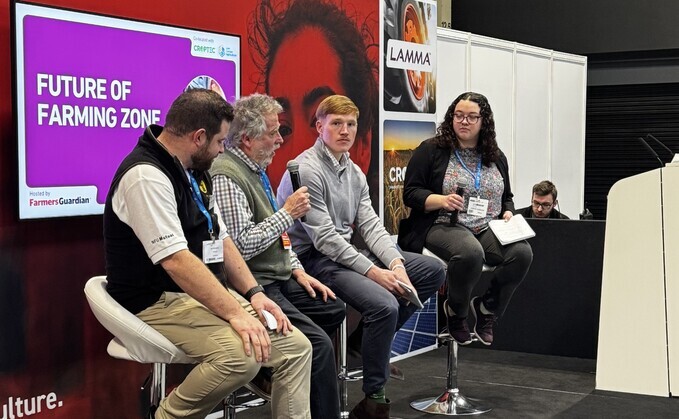
Day two's discussion continued some of the rpevious day's themes and it is evident that the role of people cannot be ignored.
Decision-making under pressure
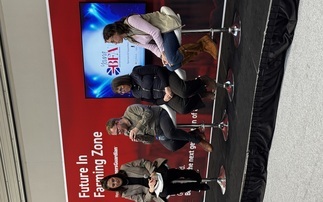
Mr. York, a farm business consultant, opened Thursday's session. He discussed how the sector's long-term direction would be "shaped by young people". He went on to talk about how decisions made today would determine and influence business resilience ten to twenty years from now. With agriculture at one of the most turbulent periods in decades, farm operations are being reshaped. NFU Mutual financial advisor, Mr. Goodall agreed, discussing how risk must be recognised early in order to be mitigated, while Mr. York argued that belief in the business's journey is what will ultimately drive investment.
Decision-making became a recurring theme. Mr. York urged farmers to separate emotional and financial risks, to plan carefully and share ideas with the people around them as a form of "people investment". He argued that cash flow should be monitored throughout the year, while succession planning, too, should be brought into everyday conversations. The loss of direct payments, rapid policy changes, volatile markets, labour shortages, climate pressures and fast-moving technological development are all factors that are increasing the pressure on farmers today. The next generation, he argues, is central to long-term sustainability, even when decisions must be made "without perfect clarity". Mr. Goodall added that honesty makes these conversations easier, and gauging whether the next generation has a desire to be involved early on is essential.
Separating emotion from business risk
Mental health was addressed with equal weight. Mr. York argued that talking about mental health like any other illness was vital, and stepping away from the high-pressure environment could be a serious help to those suffering. In treating mental health logically, as an illness, we can separate emotion from our decisions. With such policy uncertainty within the industry, confidence in investment is low.
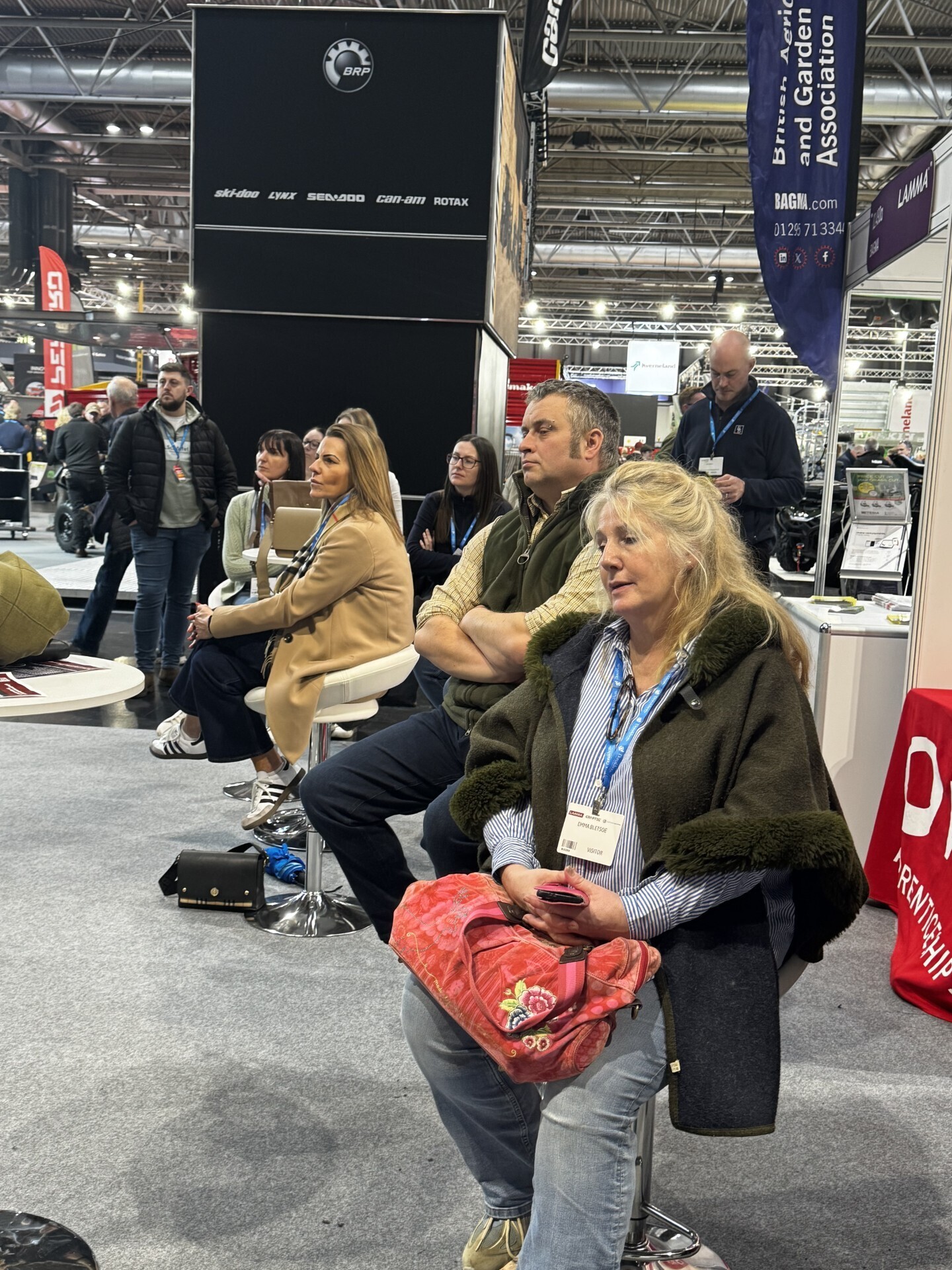
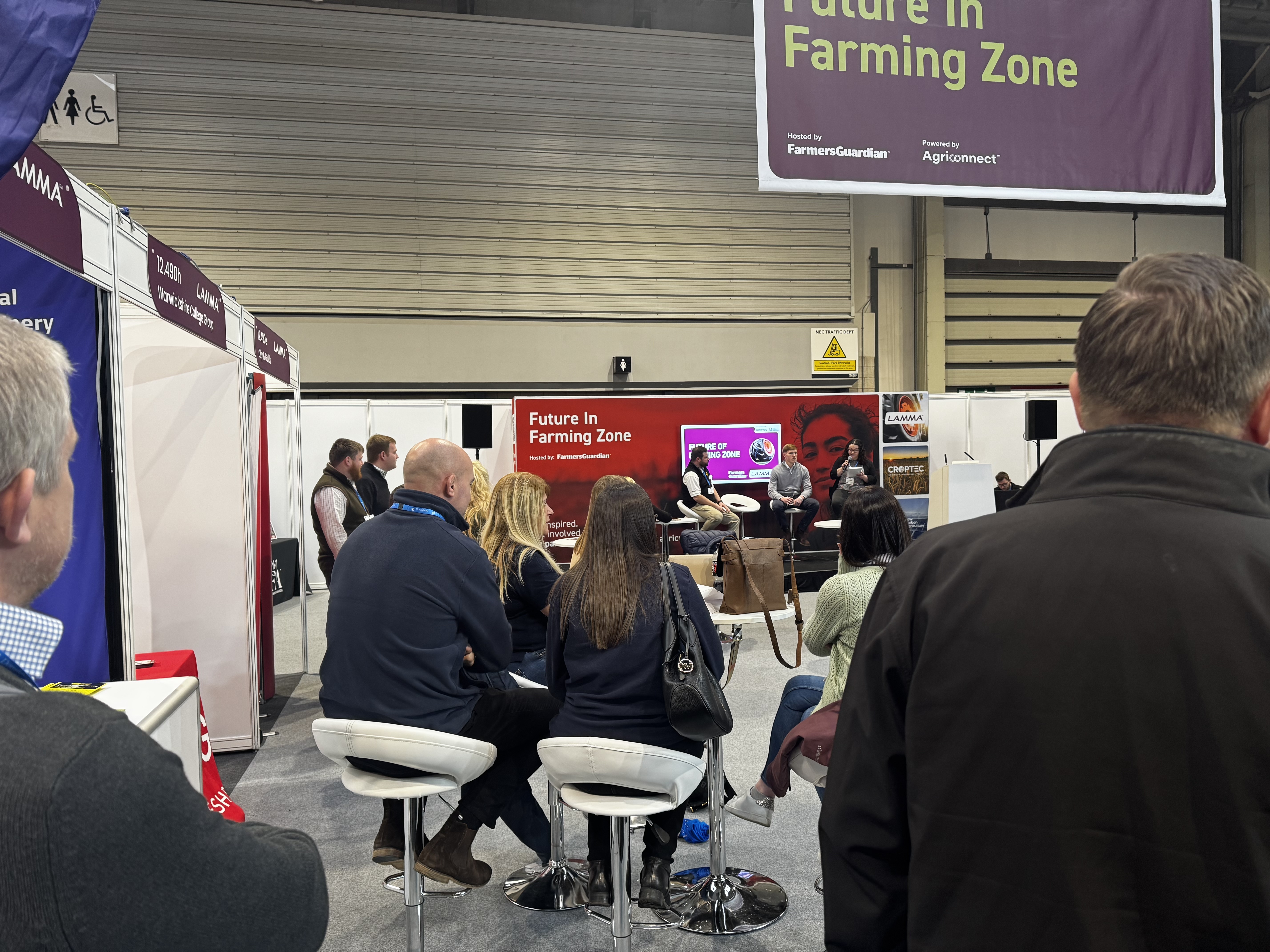
Mr. Goodall encouraged people to take up multiple hobbies and have conversations outside of farming, while Mr. Gueterbock, director at Foodchains, noted that the industry's isolation must be recognised. With shows like LAMMA, panels offer reassurance, not abstract theory but grounded advice from workers at the forefront of business planning, finance, technology and skills development. These shows, hopefully, allow a release of some of that pressure, making room for the hobbies Mr. Goodall encourages.
Regenerative farming was framed as a gradual journey. Mr. York advised starting small and monitoring changes, while Mr. Gueterbock argued that soil health was still overlooked and required greater radical thinking. Personalised approaches, he highlighted, were essential because "one size fits all" cannot apply to the spectrum of farm size and workload.
The value of trusted relationships
Both speakers highlighted the value of trusted relationships. Mr. Goodall, speaking from NFU Mutual experience, pressed that long-term support will build confidence. Mr. York went on to emphasise the importance of spotting emotionally driven decision-making and using teamwork as a way of diffusing pressure. Relationships are increasingly important as farmers attempt to navigate the uncertain future of the industry. In this climate, neighbouring farmers and advisors alike are no longer providing a service but contribute to a support that drives business stability in unpredictable conditions. Collaboration across organisations, Mr. Goodall urged, strengthens decision-making more. The quality of these relationships directly impacts the quality of decision-making, complex challenges are not faced in isolation, risk is lessened, guidance is clearer – relationships are becoming a core business asset.
Technology, knowledge and investment
Mr. Gueterbock, shifted the discussion to technology. It was discussed how future fuels, equipment and novel systems will demand investment not only in machinery but in the knowledge needed to use it. Technology is arguably advancing faster than farms can adapt, with this, policy changes around emissions, soil health and efficiency are forcing a greater need for new systems. Efficiency was also explored as Mr. Goodall spoke about securing a set income. Mr. Gueterbock argued that moving away from chemical-intensive systems and making decisions outside of tradition would drive profitability. Reliability, Mr. Gueterbock warned, can be undermined if understanding does not keep pace with innovation. Mr. York argued that this requires an expanding mindset and investment in applying new knowledge. Technology isn't an optional upgrade today; farmers risk falling into a widening gap between innovation and practical capability, investing in tech without understanding it will decrease its reliability, increase its cost and erode farmers' confidence. Technology alone is not secure; investment in people and knowledge is just as important. Mr. York, who entered the farming industry from a non-farming background, argued that social media could bridge the gap between producers and the public, lifting the profile of the industry and increasing the drive for understanding and upskilling.
Profitability in an uncertain policy environment
"Profitability", the week's buzzword, was challenged by policy uncertainty. With profitability under more pressure now than at any point in a generation, Mr. York argued that sweeping changes were testing farmers' belief in the future, while Mr. Gueterbock pointed out that engagement between the Government and farmers remained all too low. Policy direction remains unclear in several areas, and many businesses are yet to adjust to the post-BPS landscape. Innovation, Mr. Gueterbock continued, must be demonstrated directly on the farm; confidence is almost as important as cash flow today, and hesitation is having real consequences. Delaying investment was also discussed. Mr. York argued that a clouded future made risk-taking harder, while Mr. Gueterbock noted that falling sales and a reluctance to follow through on decisions threatened business sustainability. To combat the vulnerability of lacking confidence, Mr. York emphasised the industry's responsibility to share positivity, particularly through the means of social media, to inspire new and next generations. Mr. Goodall then agreed that sharing experiences would help the next generation thrive.
Each panellist offered one takeaway: Mr. Goodall urged farmers to talk and plan; Mr. Gueterbock encouraged visitors to take ideas away from shows like LAMMA and look forward; Mr. York left that investing in people creates an environment where opportunity can grow.