Livestock

Livestock
Ross Dilks, an agronomist with Agrii and a dairy farmer in Derbyshire, says although his clients have tried a variety of home-grown feed sources over recent years, his experience shows grass is consistently the most cost-effective way to feed dairy cows.
 21 February 2022
•
3 min read
21 February 2022
•
3 min read
Livestock
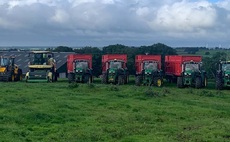
Yield mapping for grassland provides vital information to inform future decision making and diet planning and the technology need not cost the earth.
21 February 2022
•
6 min read
Livestock
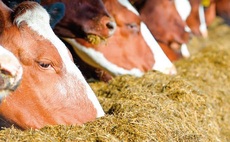
As market analysts predict milk price rises into autumn 2022, dairy farmers who can maintain milk yields over this period will be in the best position to take advantage of this buoyant market.
21 February 2022
•
6 min read
Livestock
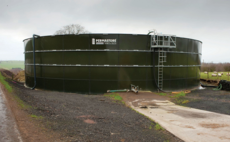
Taking a targeted approach to the use of manures and slurries as part of a comprehensive nutrient management planning process is essential to keep input costs manageable.
21 February 2022
•
5 min read
Livestock
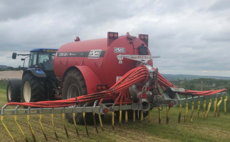
Switching to precision slurry application techniques leads to reduced contamination and improved grass growth. Two farmers share their stories.
21 February 2022
•
6 min read
Livestock
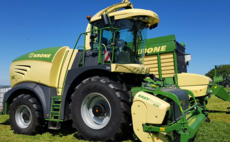
Soil compaction often goes unnoticed in grassland soils and yet it can have an adverse impact on productivity comparable to the effect in cultivated soils.
21 February 2022
•
7 min read
Livestock
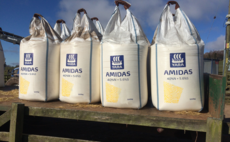
Market forecasts show fertiliser prices are unlikely to drop any time soon as the perfect storm of high energy prices coupled with supply side issues mean stocks are tight and will remain so for the forthcoming season at least.
21 February 2022
•
3 min read
Livestock
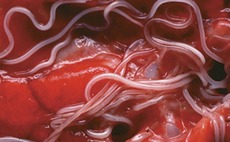
While many farmers perceive lungworm in cattle to be an autumn disease – simply because the tell-tale cough from husk tends to peak late in the grazing season – the reality is early spring is the time to be thinking about better disease control, says vet Emily Linton.
21 February 2022
•
4 min read
Livestock
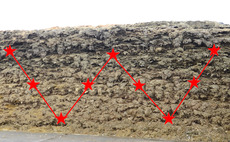
Inaccurate silage sampling can result in reduced performance and higher feed costs according to Dr Liz Homer from Trouw Nutrition GB who urges dairy farmers to make sure the samples sent for analysis are representative of the whole face.
21 February 2022
•
4 min read
Livestock
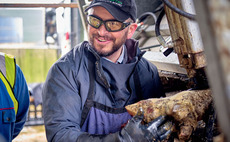
Although digital dermatitis remains up there as the number one lameness challenge for many dairy producers in the UK, controlling the bacteria can be straightforward says veterinary surgeon Nick Bell. Farmers Guardian reports.
21 February 2022
•
4 min read