Arable
Arable
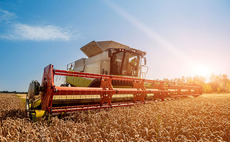
Scotland’s harvest is currently running at least two weeks ahead of normal, with many of the earlier areas in the east almost finished with spring barley and winter wheat. By Ewan Pate and Hannah Binns.
 27 August 2022
•
2 min read
27 August 2022
•
2 min read
Arable
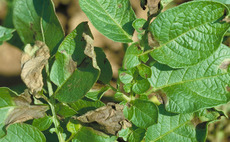
Despite the dry summer the Fight Against Blight (FAB) team has recorded and mapped 37 outbreaks of the disease across Great Britain.
26 August 2022
•
2 min read
Arable
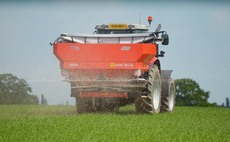
A new report has warned soaring demand for sulphuric acid could lead to a shortfall in supply
26 August 2022
•
2 min read

Arable
Ben Gratton, 18, is from a dairy, beef and sheep farm outside of Buxton in Derbyshire. He is currently working on a dairy and arable farm in Shropshire as part of his level 3 advanced technical extended diploma in agriculture at Reaseheath College.
26 August 2022
•
2 min read
Arable
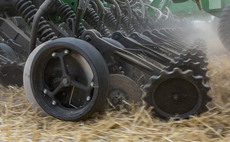
After one of the quickest and most straightforward harvests on record in most areas, the downside of the recent record temperatures and negligible rain is hard, dry soils. Jane Carley explores how to manage them.
26 August 2022
•
6 min read
Arable
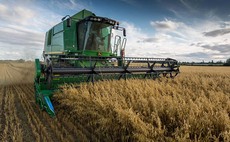
Dry weather and a lot of sunshine has been the recipe for an early and successful harvest across much of Scotland this season.
25 August 2022
•
3 min read
Arable
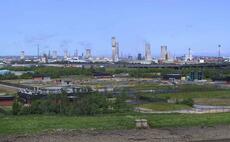
Following the news CF Fertilisers will ‘temporarily halt’ production of ammonia and CO2 at its Billingham site, AHDB takes a look at the impact on different sectors.
25 August 2022
•
3 min read
Arable
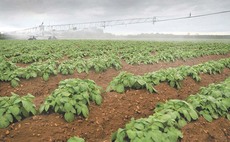
Soaring energy costs are forcing some farmers to consider cutting production, posing a food security risk.
24 August 2022
•
3 min read
Arable
Farmers and growers who use regenerative farming practices can now apply for a new stamp to certify their sustainability credentials.
23 August 2022
•
1 min read
Arable
The group has been named as one of the fastest-rising businesses with a reputation as a top company to work for
23 August 2022
•
1 min read