


It was Albert Einstein who said: "We must not only learn to tolerate our differences. We must welcome them as the richness and diversity which can lead to true intelligence."
And that is certainly true of farming, particularly when it comes to the progressive conversation around diversity. Over the last few years, that conversation has become louder, but to allow new people to see the opportunities – and themselves - within farming, real change on the ground must happen.
There are now a number of events and initiatives that champion inclusivity, and that give those outside the industry a chance to experience the agricultural world, but to make a tangible difference, a more joined-up approach is needed, as well as a little self-reflection.
Navaratnam Partheeban, regional head of farm at IVC Evidensia and co-founder of the British Veterinary Ethnicity and Diversity Society, says: "While grassroots conversations and community-led efforts to make agriculture a sector for everyone have always existed, diversity and inclusion has only more recently become part of the mainstream conversation across the industry, although in a limited capacity. Most agricultural conferences and organisations in our sector still marginalise these conversations which does little for progress.
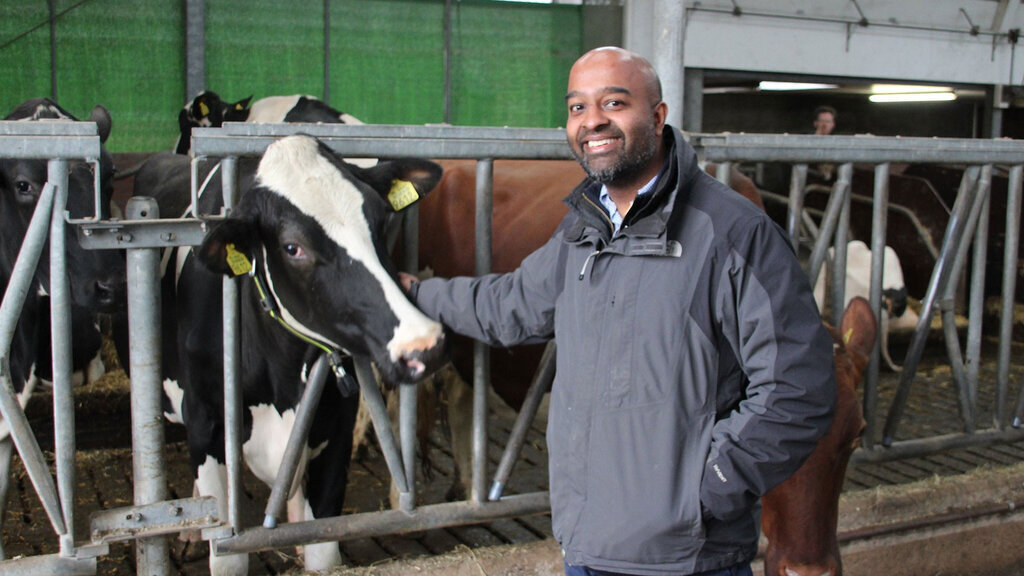
"The problem is, how is change measured, and what forms of diversity are included?
"Performative efforts are a plenty. Barriers to diversity in the sector are systemic and historical so therefore need many uncomfortable truths to be realised, examined and dismantled. Agriculture has, and continues to be, the least diverse sector in the country. Diversity cannot come on its own and must be accompanied by equality, equity and justice."
The diversity of roles within farming should – and could – attract more people, and individuals and organisations alike can help to harness change through training, awareness and, quite simply, a curiousness to understand others, their needs and cultures.
Engagement, says Navaratnam, is key.
Culture Roots Collective, which is dedicated to amplifying the voices of Black and People of Colour in UK food and farming, is an example of the fact that people from racially underrepresented backgrounds do have a close connection to food and farming in the UK, but they are rarely included or engaged with in a ‘meaningful way'.
READ NOW: OPINION: Avoiding the diversity conversation holds farming back
Communication
"As individuals and organisations, we can make a difference. Have intention and authenticity to create a space where everyone is welcome, respected and equal. Go to where people are and spend time. The biggest way to break down barriers is to engage with people who are different to you. Currently as a sector we are ineffective in how we communicate and connect with people. This all must change," says Navaratnam.
"If we connect with people authentically, taking time to learn, engage and converse in a way that means we are all equals, then that would be a start."
The term diversity is something that also needs to be aligned on, and it means so much more than the age-old gender debate.
It is a case of, says Navaratnam, accepting the combination of people – cultural identities skills, education, experiences.
He says: "Everyone brings something to a space, conversation or situation and with change, we need this diversity to be able to learn, grow and thrive both individually, as a sector and in what we are trying to achieve in life."
Coco Jalloh, young farmer and new entrant to the industry, has carved out her own farming path. After being deterred from pursuing agriculture at school, Coco followed her passion and enrolled at college, and now has a strong social media following where she hopes to showcase the industry to the wider public.
Having never really thought about agriculture as a career, she had no preconceived worries that due to her non-farming and mixed race background, she could not enter the sector.
She says: "When I was getting into farming, I wasn't actually watching a lot of farming media so I didn't notice the lack of diversity within the industry. Because of this, I wasn't deterred from farming, as I had no idea what the community was like or looked like.
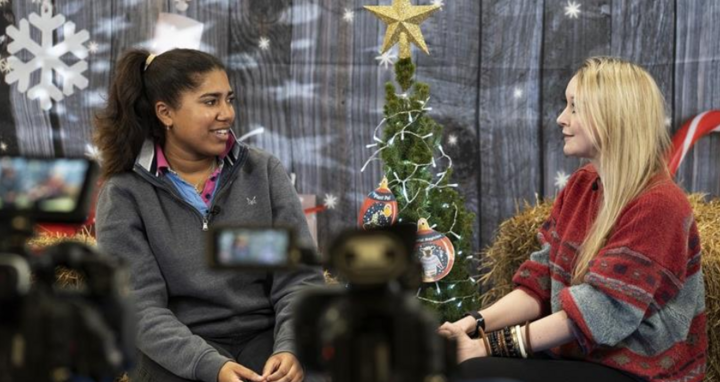
"When I was about 18 months into my agricultural journey though, I received so much hate on social media because of my physical appearance - being a young, mixed race woman. It was initially a shock to the system, but I had an amazing support system around me which really helped. I knew my truth and why I wanted to be in this industry and because somebody random told me, ‘you can't farm because you're black', it wasn't going to stop me. I was bought up by some very hardy and supportive parents, and I had a goal which I knew I was going to achieve."
READ NOW: Careers special: Young new entrant farmer told not to pursue farming finds her place in agriculture
Diagnosis
Coco feels privileged to be able to inspire other too, and has had multiple messages to say her story has helped others to pursue agriculture and other dreams, believing that gender, ethnicity or neurodivergence should not be barriers.
Receiving an ADHD diagnosis has helped Coco understand herself better, and become an advocate for discussing it within the industry.
"When having conversations, we need to actively change the language we are using about others and alter how we use harmful words as a ‘joke'", she says.
"I also think that we need to change stereotypes, especially regarding neurodivergent individuals - they may take a little longer or take a different route, but the task will always get finished to a high quality."
Dairy farmer Liz Haines focused on neurodivergence for her Nuffield Scholarship titled: Great Minds Don't Think Alike: Neurodiversity in Agriculture.
Travelling to Scotland, Ireland, the USA and Australia, she was able to find examples both within agriculture and other industries that were doing positive work on neuroinclusion in both workplaces and education.
But currently, is the UK farming industry set up to support neurodivergence?
Yes and no, says Liz.
"There's no doubt that farming is a natural fit for many neurodivergent people – working outdoors, be it with crops, animals or machinery, in a practical, hands-on way that allows people to problem solve and work independently, can be a great fit. The flexibility of a less formal working environment without some of the rigid structures of an office for example, or simply working in a smaller, quieter team, can work really well.
"Many of the people and farms I met were keen to stress things along the lines of ‘we don't care about people's labels; anyone is welcome here as long as they are prepared to work hard and get stuck in.'
"And that's where it gets a bit more complicated."
Inclusive
Although this may sound like an inclusive approach, there is ‘a knowledge gap' about what neurodivergence actually is, and the complex ways it impacts people's lives.
Without the right individual support, it could have the opposite effect when it comes to securing or retaining a job.
There is still stigma about neurodivergence, says Liz, and a fear of labelling, perhaps because it is believed ‘special treatment' will be given or that you will have to make accommodations for people.
Liz says: "I hoped that my Nuffield Scholarship would start a conversation about neurodiversity and what it really is - not just being bad at spelling, or a bit disorganized, or socially awkward - and highlight the strengths and talents of neurodivergent people, whilst also acknowledging that people do experience genuine challenges.
"You don't need to focus on a ‘label' or diagnosis, it's just about understanding people's skills, strengths, preferences, weaknesses and areas where they might need support.
"That applies to everyone not just neurodivergent people."
Liz says focusing on people's skills and strengths rather than traditional expectations of what a good farm worker looks like.
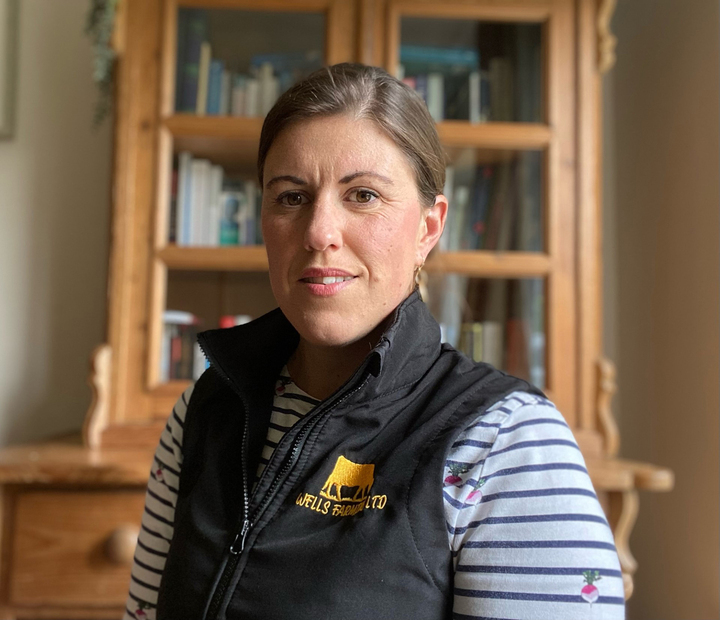
While travelling for her Nuffield, Liz visited SunPork Farms in Australia which ‘was the standout example of a neurodiversity hiring programme on a commercial farm'.
As Australia's largest pig integrator, the business launched its groundbreaking Autism and Agriculture Programme in 2018, which Liz believes to be the only commercial neurodiversity hiring initiative in animal agriculture globally.
Neurodiversity training is given to all staff, plus practical assessments which were adapted with visuals and simplified materials. There are mentors, quiet spaces and daily check-ins which created psychological safety.
One of Liz's main learnings from her scholarship was about communication; that there are many neurodivergent people in agriculture but who are not connecting – plus, there are not many places to go for support.
To try and combat this, Liz has joined forces with friend Karen Fisher farming adviser, Soil Association and neurodiversity coach, to create a network.
She says: "It's initially on Whatsapp, where neurodivergent people and allies can connect, share experiences, make friends. If anyone would like to join, all are welcome, and you don't have to have a diagnosis or even be neurodivergent."
Innovation
The NFU, in conjunction with NFU Education has also been charging ahead with its diversity scholarship, AgriFutures.
In 2025, the first AgriFuture Residential and AgriFuture Forum helped to strengthen the organisation's commitment to creating a more inclusive farming workforce.
Residentials are fully funded weeks which allow those from diverse backgrounds to experience the industry including practical work on farms, practical food and farming workshops and inspiring fireside chats with role models from the industry.
NFU Vice-president Robyn Munt says: "Reflecting the diversity of the UK population in agriculture isn't just the right thing to do, it is also essential for the sector's future success.
"Ensuring that everyone sees a place and a role for themselves in our industry will mean the sector attracts the very best talent across all backgrounds and ethnicities, bringing fresh perspectives, innovation and skills.
"It also helps build stronger connections with future customers, who want to see themselves represented in the industry that works to produce their food.
"Last year we launched our AgriFuture programme, which involves working directly with young people from underrepresented communities. Initiatives like this show a practical effort to drive change, rather than just talking about it.
"It is important we continue discussions around promoting diversity in agriculture. Achieving this requires real collaboration and open-minded attitudes across the sector as well as active engagement with diverse communities themselves. If we do this, we have the chance to create change that will have a positive impact for years to come."
Tips for businesses
- Have regular one-on-one meetings with your staff to find out if there is anything different that can be done in the workplace to make it a better environment for them
- Take part in diversity training to equip you with the right language and knowldege to approach your staff and make change
- Talk to others who have lived the experience or made change within their business. Knowledge is power


