



Take a walk across your holding today and look closely at the corners. Almost every farm has one: a small, underutilised paddock that is awkward to get machinery into, a quiet orchard, or an acre of rough grazing that isn't really pulling its weight. In today's volatile agricultural climate, where direct subsidies are shifting and weather patterns are increasingly unpredictable, that "forgotten acre" could actually be your most valuable asset.
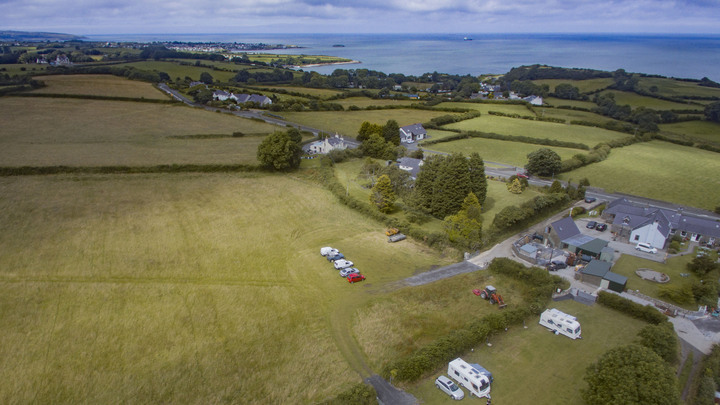
When we talk about diversification, it often conjures up images of massive capital investments, gruelling building projects, or completely retraining to run a brand-new business. It's no wonder many farmers push the idea to the bottom of the to-do list. Who has the time to become a full-time hotelier or retail manager when there are crops to establish and livestock to tend?
But diversifying your income stream doesn't have to mean changing who you are or sacrificing your core farming operations. It's about making your existing assets work smarter. It's your land, and you should be the one unlocking its maximum profit—without the exhaustion.
This is where a remarkably simple, low-impact model comes into play: the Certificated Location (CL) caravan site.
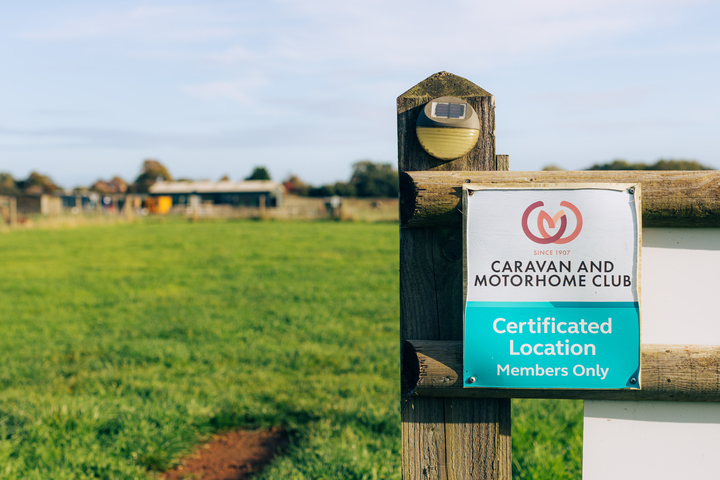
If you have just half an acre to an acre of relatively flat, well-drained land with decent access, you already have the foundation for a steady, reliable revenue stream. The concept is straightforward. A CL site is a small, exclusive location licensed to host up to just five caravans or motorhomes at any one time. It is a world away from a sprawling, noisy holiday park. The visitors who frequent these sites are looking for exactly what you already have: peace, quiet, beautiful rural views, and an authentic taste of the British countryside.
From a practical farming perspective, it fits seamlessly into the daily routine. Touring guests are entirely self-contained, meaning you don't need to build complex shower blocks or communal facilities to get started. A simple mowed area of grass, a safe access point, a drinking water supply, and a basic chemical waste disposal point are often all it takes to open for business. The caravans sit quietly in the background, generating a steady cash flow, while you get on with the day job.
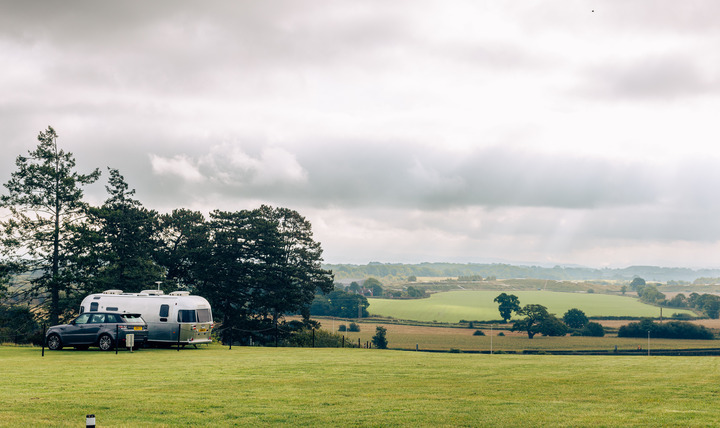
Of course, the biggest hurdle to any new venture is knowing where to start and navigating the inevitable paperwork. No one wants to spend months locked in stressful negotiations with local authority planning departments.
Fortunately, you don't have to figure it out alone. To make the transition as smooth as possible, organisations like the Caravan and Motorhome Club offer dedicated, free support for landowners looking to explore this route. Because they have the authority to grant official certificates for these five-van sites, they can help you navigate the process without the need for standard local council planning permission.
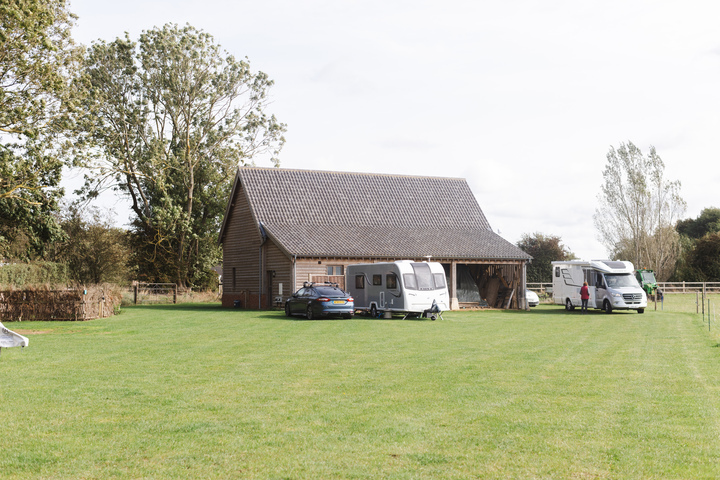
Think of them not as someone trying to sell you a franchise or take a commission, but as an expert partner standing in your corner. Crucially, they don't take a single penny of your pitch fees—every bit of the income generated on your land is 100% yours to keep. They provide free advice on layout, access, and setup, helping you avoid common pitfalls. Better yet, once your site is certified, they introduce your new venture directly to their community of over one million touring members who are actively looking for new rural escapes to support.
Securing the future of the family farm doesn't always require a radical overhaul. Sometimes, the answer is already there, waiting in a quiet corner of a field. It's your land, and with the right expert backing, it can deliver the reliable profit your business deserves.
In the next part of our series, we'll dive into the practical economics of running a CL site—breaking down the actual setup costs, potential returns, and how to ensure the numbers stack up for your business.


