Arable

Arable
Oilseed rape plantings have fallen to their lowest level since 1986 at 318,000 hectares, according to AHDB’s Early Bird planting survey.
 27 November 2020
•
1 min read
27 November 2020
•
1 min read
Arable
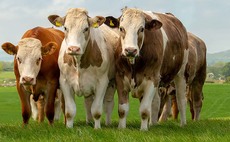
A new report published today by the Future British Standards Coalition (FBSC) warns the Government has already watered down protections, scrutiny and accountability around food standards.
27 November 2020
•
2 min read
Arable
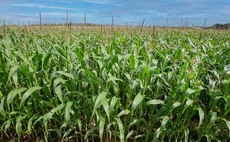
As the weather turned wet in early October, the 2020 maize harvest could be described as a tale of two halves.
27 November 2020
•
7 min read

Arable
The EU’s Farm to Fork Strategy, which sets a target to reduce pesticide use by 50 per cent, would negatively affect the world’s most food-insecure populations. The UK should not follow suit, says Adam Speed, director of public affairs at the Crop Protection Association.
27 November 2020
•
4 min read

Arable
2020 has been a challenging year for farmers, but with the end of the transition period, changes to direct payments and new trade deals on the horizon, 2021 may bring further hardship, says Conservative peer Anne McIntosh.
27 November 2020
•
3 min read

Arable
Brexit will create winners and losers in farming, but the direction of travel makes me fear there will be more losers than winners, says Oliver Dowding, an apple grower in South East Somerset.
27 November 2020
•
3 min read

Arable
Farmers will benefit from three income streams in future - primary food, public goods and carbon trading - and should not delay in embarking on their sustainability journey.
26 November 2020
•
3 min read
Arable
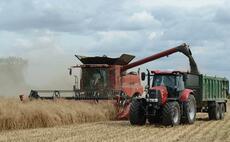
The 2020 season saw a wet autumn and winter, followed by a dry spring and a dull summer. Despite this, YEN estimated autumn sown crop potential of 18 tonnes per hectare this year.
26 November 2020
•
Arable
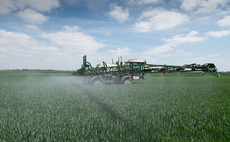
Cheap fungicide programmes produced top margins for the AHDB winners of ADAS’ 2020 Wheat Fungicide Margin Challenge.
26 November 2020
•
2 min read
Arable
Industry leaders have warned farmers will face ‘major financial hardship’ during the transition away from direct payments, with Defra planning to maintain the income foregone payment model for the foreseeable future.
26 November 2020
•
4 min read