Heavy snow raises fresh fears for farmers
HEAVY snowfall across many parts of the UK has left farmers fearing another big freeze after last year’s weather cost millions in damage to farm buildings.
The UK’s earliest widespread snowfall since 1993, the weekend showers have seen roads closed across Scotland and the north of England, with some 15cms of snow falling in the Durham area.
Meanwhile, Wales experienced record-breaking low temperatures with Llysdinam in Powys recording -17.3C.Temperatures in parts of Scotland are expected to dip to as low as -20C as the cold spell is forecasted to last well into this week.
The news will bring back memories of last winter when heavy snow across the UK saw a rise in stock losses, widespread building damage, milk collections unable to get on to dairy farms and livestock stranded as farmers struggled to cope.
John Mercer, chief livestock advisor for the NFU said: “Last year we saw a prolonged cold snap which caused some real problems for farmers around the UK, and with snow expected this week farmers should prepare for the possibility it will be sustained.
“The main things farmers need to think about is, do they have enough feed in and have they got enough oil and gas. Also, for poultry and dairy farmers they need to make sure they have contingency plans in place in case their egg buyer or milk collector can’t access the farm.”
With feed prices sky high, many farmers will fear another cold winter on the same scale could see them facing a major hike in costs.
An NFU Scotland spokesperson said: “Following last year’s dreadful winter, people are still recovering from that with widespread reports of loss of stock and damage to farm buildings.
“Feed costs are very high at the moment, and that is something which could be a worry. Straw costs are a major problem in Scotland, it is very scarce and very expensive and some people may have to do without. So there will be many farmers who, if we do have another harsh winter, will be very concerned.”
Jim Innes, who farms at Deskie Farm in Moray in North East Scotland has vivid memories of last year’s arctic blizzards and has already seen snow fall this week, raising fears he could be in for another torrid few months.
“Last year the snow started falling on December 18 and it continued right through until March,” he said. “We were right in the middle of lambing and had four inches on the ground and we lost a lot of lambs.
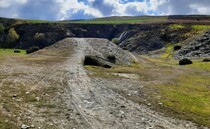
“We also had some serious damage to some of the buildings (see images on the right hand side). Normally, the wind blows the snow off the roofs but there was no wind last year so the snow piled up and they eventually fell in so we had to vacate the sheep.
“Some of the buildings just weren’t worth repairing so it had a big impact on us.”
Adding insult to injury, the wet summer and the subsequent late harvest compounded the problems, and with snow on the ground there is still 10 acres of oats to harvest and straw still lying, leaving the farm well behind schedule.
“The rams have just gone out to the ewes and that is just too late, and the silage quality is very poor as well,” he said.
Bad memories
Last winter saw farmers struggle through one of the coldest winters on record, with weeks of heavy snow and ice in many parts of the UK:
- NFU mutual reported a 63 per cent rise in accident claims as a result of the bad weather.
- In Scotland, an estimated 3,000 farm buildings collapsed, prompting the Scottish Government to issue a £3 million emergency fund to help repair the damage.
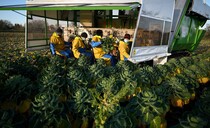
- In Staffordshire, farmers were forced to harvest parsnips from under two feet of snow in order to keep the shelves stocked ahead of Christmas.
- Dairy farmers in some of the worst-hit areas were forced to pour milk down the drain as tankers struggled to get to farms to collect the milk.
- The Environment Agency was forced to relax the rules prohibiting spreading milk and slurry on frozen ground.
- Feed deliveries for many were few and far between, as lorries struggled to get out on the roads while some farmers were forced to carry fodder to livestock on foot as their diesel froze, rendering tractors useless.
Farmers Guardian newsletters
Get the best of Farmers Guardian delivered straight to your inbox. Click here to sign-up today
-
General news and breaking news alerts
Minimum weekly delivery -
Livestock, arable, dairy and young farmers
news and features
Monthly delivery


There is a well known saying, 'no pain, no gain' and that will be ringing true in the minds of Milk Link’s 1,600 producers, who are on the brink of reaping just reward for 12 years of loyalty and investment.