Foot-and-mouth 10 years on: 'I fought NFU from the start' - Gibson

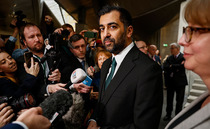
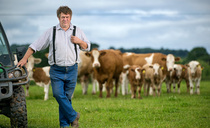
ANTHONY Gibson, the NFU’s South West regional director at the time, became the voice of the South West grassroots farmer in 2001.

But his outspoken views put him at odds with NFU president Ben Gill, who eventually gagged him from speaking in the national media.

There was no hint of what was to come when news came through on the first Friday of the crisis that the outbreak had been traced to a Northumberland pig farm. “The sense of relief across the West Country was palpable,” Mr Gibson recalled.

The following evening, as he was cooking supper, the telephone rang. It was Ben Bennett, the Devon’ Divisional Veterinary Manager.

“He said he had some bad news. We had got foot and mouth in Devon and it was as bad as it can get,” Mr Gibson said.

Mr Gibson described what followed as a ‘cataclysm for the county of Devon’, which went on to become, along with Cumbria, one of the two worst affected counties.

A skilled media communicator, Mr Gibson’s first act was to contact the local BBC station, informing them he would be available for interview from 6am the next day. He became a daily fixture on regional television and radio news programmes over the next few months.

“I was trying to give a completely unvarnished view of what was happening, not just for the benefit of the farming community, but for everyone,” said Mr Gibson.

“People were crying out for genuine information but MAFF were hopeless at giving out information, the whole thing was so secretive. We were letting people know what was going on, so it became a very valuable service, especially for those who were cut on their farms.”

He also used his media appearances to try and convince the powers-that-be in London that things were anything but ‘under control’ as Agriculture Minster Nick Brown was insisting.

“Nick Brown was beginning to look ridiculous. I was saying it was out of control, it was chaos, MAFF vets couldn’t cope and we must get the army involved bebecause we were being told what was happening by farmers,” he said.

But Mr Gibson’s outspoken views on the handling of the outbreak and the controversial elements of FMD policy upset the NFU president. “Ben Gill warned me off the national press about two-thirds of the way through,” he said.

“I was fighting against NFU right from the outset. I said the contiguous cull was patently obviously wrong because it bore no relation to the actual risk of disease being spread on the ground. And whatever our views on vaccination by late March, the public had become sick to death of seeing the funeral pyres and that awful stench of burning carcasses.

“We had to be seen to be having anopen mind and it was no good roaring around like Ben Gill saying we must kill and kill and kill until we kill this disease. That was just completely out of touch with the public mood.”

Sir Ben Gill’s take on the clash today is that Mr Gibson was ‘pursuing his own agenda as a bit of a maverick’. He said he had spent more time communicating with Mr Gibson than anyone else during the outbreak.

“Anthony was an employee of the NFU, not a single person with the freedom to do what he wanted. He should have been the voice piece of his members, not anything else,” Sir Ben said.

Mr Gibson insists he was simply reflecting the views of grassroots members, for whom the events of 2001 were a ‘living nightmare’ that ‘seriously affected’ the lives of many of them.

But it brought out some positives, too. “It could be healing as well. The non-farming population really came together to support the farming community in its hour of need. That  really helped farmers get through those difficult weeks when the air was filled with smoke ad the stench of burning and the rain poured down relentlessly,” he said.

The reconnection with the public continued afterwards, too, as people showed their support by buying local, a real ‘shot in the arm’ after the difficult years preceding 2001 and something that has helped farming grow stronger today.

Very few farms that were culled out went out of business and many used the money they received to expand or change direction in a positive way, he added.

“For quite a lot of farmers, losing their stock helped them understand why they loved being as farmer on the basis that you only know what you only know what you have got when it’s gone,” Mr Gibson said.

“It was horrendous but for some there was a positive legacy.”

Have your say

Mandatory
Mandatory
Mandatory
Mandatory

Farmers Guardian newsletters

Get the best of Farmers Guardian delivered straight to your inbox. Click here to sign-up today