Climate change a key selection criteria in sheep

TWO commercial lamb producers in a room dominated by pedigree ram breeders were not afraid to speak their mind about the type of sheep they wanted.

Crosby Cleland, from Ballynahinch, Northern Ireland, said he wanted a ram that would throw rapidly growing lambs which would quickly produce a 17-21kg carcase with desirable eating quality. He needed them to be able to serve 120 or more ewes.

Wish list

For those ewes, Mr Cleland had a ‘wish list’ - excellent maternal traits, a 65kg mature weight and the ability to wean her own body weight in lambs at least five years running.

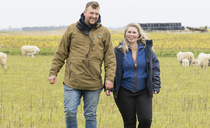
His desire for resistance to footrot was shared by Ed Higgins, who works with his father to run 1,250 Suffolk crosses on 80 hectares (200 acres) at Longnor, Shropshire.

He wanted technology to be developed to ‘eradicate the footrot gene’ and argued strongly for sophisticated enough equipment in abattoirs to DNA test lambs

so they could be traced back to their sire and dam to see which animals were producing lambs that killed out best.

When asked about the challenges for the coming 15 years, he said breeders, when selecting their breeding goals, needed to think about how the changing climate would affect the sheep sector and how it affected climate change. For instance:

  • A warmer climate will mean a longer growing season, although there may be more drought
  • Different crops will be grown and sheep will need to utilise these
  • We could see better barbeque weather and increased meat consumption. The growing fashion for vegetarianism could challenge that
  • The Government will set strict emission goals for methane production.

Have your say

Mandatory
Mandatory
Mandatory
Mandatory