Beef
Slashing input costs through better management
A Somerset beef farmer is hoping to slash input costs by up to 10 per cent through improved health and general management. Jane Brown reports.
Most farmers consider their management to be pretty good - but take a step back and it is often possible to identify areas which could be improved on.
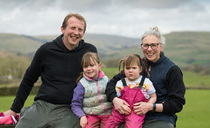
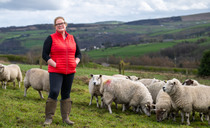
Fran Ford and her father, David Edwards, did exactly that at Pool Farm in Banwell, Somerset, following a meeting held by the South West Healthy Livestock Initiative - and are already reaping the benefits.
In conjunction with their vet Ed Simmons, and with the help of 70 per cent funding through the project, they tested their stock for Bovine Viral Diarrhoea and Johne’s Disease.
Scour
The results were encouraging, with the herd testing completely clear of both diseases. However, just as the father and daughter team embarked on a series of focus farm meetings, the calves developed a severe scour problem.
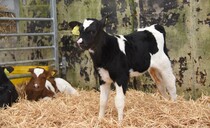
“It was the first time we’d ever experienced it, and it was devastating,” says Mr Edwards. “It was the worst calving we’ve ever had, and we lost five young calves.”
Tests revealed a Corona virus was affecting the later calved youngstock after prolonged housing of calving cows.
“The disease was just building up in the shed,” he says.
Over the years, and following a problem with an infertile bull, Pool Farm’s calving period had become increasingly extended, lasting eight months of the year and peaking in May. They have been far more ruthless this year, in a bid to bring the calving period down.
“We held our February calvers over until June 1, and put the later calvers straight back to the bull,” says Mrs Ford. “We also fertility tested the bulls, which we’d never dreamt of doing before, and that was very valuable.”
They ran the cows in two groups, with a bull each, for nine weeks. “However, one bull went lame, which I never realised had such a dramatic impact on libido and semen quality, so when we pregnancy diagnosed them, there were five empty cows in that group versus one in the other group - so we just swapped the bulls over.”
The cattle are housed from December until mid-April, with calving this year due to start in early March. By tightening the calving window, it will now be easier to manage the cows’ condition over the dry period.
Nutrition focus
“Last year they were calving a bit too fat, but this year we can focus much more on nutrition,” says Mrs Ford. “We make about 100 acres of good quality silage each year, but we’re restricting the dry cows’ rations, so next year we may be able to reduce our costs by not making so much.”
The pure-bred Simmentals generally calve easily and milk well, but fat cows may struggle during calving, leaving the calves less vigorous and less able to suckle quickly, says the farm vet Mr Simmons. Careful dry cow management has considerable knock-on benefits.
“It’s all about colostrum - the minute we have a cow calving, we will monitor her and don’t rest until the calf is up and suckled from a clean teat,” says Mr Edwards. “It’s like a drug for the calf. If it doesn’t suckle, we will bottle feed it using frozen colostrum from our cows.”
To help tighten the calving window and improve productivity, the father and daughter team have been far more ruthless with their culling policy.
Replacement rate
“We did have a replacement rate of about 5 per cent this year - it will go up to 15 per cent. We have PD’d the cows earlier to help decide whether to cull them or not, which means we’ve cashed in on the higher cull cow prices instead of keeping them on empty for months,” says Mrs Ford.
“We’ve really moved from a reactive culling policy to a proactive one. Now, if any cow draws attention by difficult calving, poor fertility and so on we will cull her.
“We’ve culled three or four older cows this year on udder conformation - as they get older the teats get larger and less easy for the calves to suckle - and milk quality isn’t as good, so early growth rates are hindered.”
The tighter calving window will also make the calves easier to manage. After the cows have been PD’d, they are split into groups of heifer and bull calves, and weaned after housing at about eight months old.
“We try to make weaning as stress free as possible, so we house them with their mothers first, to let them settle down before moving them into different sheds.”
This year, the calves are being creep fed to ease weaning stress and improve early growth rates.
“We never used to creep feed as the cows milk so well. But if we can finish them at 13 months rather than 15 months, it will be worth doing,” says Mrs Ford.
The family keep bull calves entire and feed them a mix of grass silage, hay, barley straw, crimped barley and a 16 per cent protein beef nut with a yeast product to prevent bloat.
“Invariably the bulls grade U or better, and about 385kg deadweight,” says Mr Edwards. “The best we’ve had to date is 437kg and E3 at 15 months old.”
Stores
Store heifers are grown more slowly, receiving 1.5kg of cake a day in the ration.
“We were leaving maiden heifers until they were nearly three years old before calving, but we’re bringing that forward to two years now,” he says.
Finished bulls are sold to Southern Counties Fresh Foods at Langport, with heifers going to Bakers of Nailsea at about two years old.
“We recently sold one that was two and a half, alongside one at 22 months.” says Mr Edwards. “The younger animal only made £200 less, so we are trying to concentrate on finishing them younger.”
Following one of the SWHLI focus meetings, Mr Simmons tested the youngstock for pneumonia. “We’re happy there aren’t any viral problems on the farm, but we will continue to monitor it throughout the winter,” he says.
However, some of the young bulls were suffering with runny noses and coughing after bedding up with the straw chopper, so Mrs Ford now moves them out of the shed while bedding up. “That has cut down on the dust challenge,” she says. She also clips their backs to reduce sweating and pneumonia risks.
Another management change has been to introduce faecal egg counts before worming.
“People do overuse wormers, and it’s been a real eye-opener at every farm I’ve done egg counts for,” says Mr Simmons.
“Instead of treating every animal routinely, we’re doing egg counts to determine when treatment is necessary - and at Pool Farm almost none has been necessary. We’ve used less than half the normal amount of wormer, which reduces costs and the risk of resistance building up on the farm.”
The family’s closer attention to detail has also filtered through to their 300 Mule cross Suffolk ewes and Charollais-sired lambs.
“We are being a lot more scientific - we’ve done some faecal egg counts and are much stricter about when we put the rams in and take them out,” says Mrs Ford.
“We are more ruthless about our ewe selection, have bought some better rams and are now using teaser rams to tighten the lambing pattern.
“I’m glad we got involved with the project - it’s really made us look at what we’re doing. We know where we are with our health status and are working to improve it. We are also hoping to invest in a weigh crush soon so we can monitor growth rates,” she adds.
“By making the cattle easier to manage we can produce better quality animals in a shorter period of time. If we can take a month off our finishing time, that could cut fixed and variable costs by 10 per cent. It’s easy to be too laid back - this project has made us look at things in a more scientific way.”
Farm facts
- 120 hectares (300 acres) of owned and rented grassland run in partnership between Fran Ford and her parents David and Kathleen Edwards.
- 70 Simmental suckler cows, two Simmental bulls.
- 300 mule cross Suffolk ewes
Goals
- Tighten calving pattern and manage cows and calves in groups
- Improve calf health through vaccinating and better management
- Finish more quickly by introducing creep feed
- Reduce labour and improve profits
About the SWHLI
The South West Healthy Livestock Initiative is funded by the Rural Development Programme and delivered by the Rural Business School at Duchy College.
The project promotes pro-active health planning to improve the disease, welfare and biosecurity status of livestock and ultimately boost producers’ profitability.
In the beef sector, it provides 70 per cent funding for the farm vet to focus on BVD, Johne’s and respiratory diseases, with focus meetings enabling farmers to see health planning in practice.
For more information visit www.swhli.co.uk


Learn how to grow your business and meet other like minded farmers with FG26/46, Farmers Guardians business skills group.