Welsh farmers praised for environment stewardship
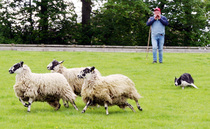
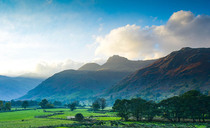
A group of 16 farmers whose sheep graze nearly 5,500 acres of common land on the Long Mynd, close to the Welsh border in South Shropshire, have been praised for their commitment to protecting and caring for the important landscape.
The farmers, most of whose farms adjoin the Long Mynd, have signed a new 10-year Higher Level Stewardship management agreement to replace an expiring 10-year Environmentally Sensitive Area agreement and ranked as one of the largest in England.
The HLS agreement will give the farmers annual management payments for reducing the number of grazing sheep during the summer and winter.
Money has also been earmarked for the first three years of the agreement for innovative and essential environmental projects to be delivered by the National Trust, which owns the Long Mynd.
The HLS agreement has been offered because of the area’s key wildlife habitats and historic interest, which need complex and careful management, whilst also being of great value to people for recreation and relaxation.
The Long Mynd attracts more than 250,000 visitors a year who enjoy exploring its 30 miles of pathways.
It is the largest Site of Special Scientific Interest in the Midlands and part of the Shropshire Hills Area of Outstanding Natural Beauty.
The new agreement was negotiated for the 16 active graziers by Peter Willcock, the chairman of Halls auctioneers, who also secured the original ESA agreement.
He said it had taken two years to finalise and praised the graziers for their co-operation along with Dave Cragg, Natural England’s local land management and conservation adviser.
“I am delighted we can continue the sound environmental management of the Long Mynd common with the participation of all active graziers,” said Mr Wilcock.
“This agreement is an example of how farmers can work positively and constructively with Natural England and the National Trust to achieve environmental benefits.
“It is not easy for a group of farmers to get together and secure a scheme like this, which is one of the largest in England.
“They each have a management agreement that compels them into co-operative action for the next 10 years.”
The plan includes protecting and diversifying the heathland habitat to benefit upland species, enhancing the historic landscape and archaeological features, promoting good soil management to reduce diffuse pollution, protecting and enhancing water, flushes, ponds and water courses and providing good conditions for key species and habitats.


We are urgently developing research requirements with other European laboratories to make sure we understand and the disease (Schmallenberg) better.