Organic lobby wants intellectual debate on food security
BRITAIN’S most influential organic lobby has called on proponents of all farming systems to forget emotional debate and work in partnership to feed the nation sustainably.
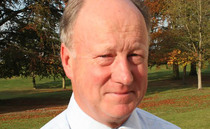
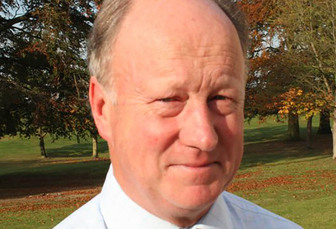
Patrick Holden, director of the Soil Association, said the challenge to increase food production and simultaneously cut climate change emissions was of an ‘unprecedented scale in human history’.
Speaking to industry experts at a seminar on the future of British agriculture in Westminster yesterday, he admitted the organic lobby had been ‘complicit’ in polarising opinion on how best to feed the world in the past but said there was no longer time to be caught up in sentimental debate.
“Given the scope of the challenge and the limited time we have to act, we must gather experts in sustainable agriculture, build partnerships and tackle issues that divide us intellectually rather than emotionally.
“We [the Soil Association] have been complicit in polarising issues in the past but I hope that we can move ahead in the face of the scale of this challenge and work together.”
Mr Holden said the Soil Association did ‘not have all the answers’ to create a sustainable food system and said he remained open minded to the role of new technologies.
“I believe we should never close our mind to anything,” he said.
However, he said GM technology had never shown yield benefits, had led to a growing dependency on herbicides, had forced the cost of seeds and inputs up and led to herbicide resistant weeds.
“GM is currently not resilient, secure or sustainable,” he said.
Mr Holden said one key topic for ‘intellectual’ discussion would be over future use of nitrogen fertilizer.
He suggested farmers and growers should be finding new ways to farm without nitrogen fertilizer which is agriculture’s ‘major emitter of greenhouse gasses’.
Mr Holden said farmers should turn to crop rotation to maintain nutritious soil, which would lead to ‘a dramatic change in output’ and a ‘completely different’ diet for consumers.
“I want to discuss this intellectually,” he said.


We are urgently developing research requirements with other European laboratories to make sure we understand and the disease (Schmallenberg) better.
Readers' comments (1)
robert White | 8 November 2009 5:50 pm
I quite agree. While the 2 sides of the industry view each other with suspicion nothing will change. Now is the time we should be looking at ways to address the coming energy crisis while there's still time. We need to take the best working practices from both sides and meld them into one.
Unsuitable or offensive? Report this comment