Foot-and-mouth 10 years on: Farmers share their stories
WE spoke to some farmers affected by the 2001 Foot-and-Mouth outbreak to find out how they were affeted by the devestating spread of the deisease.
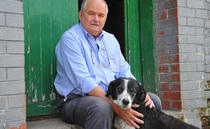
Thomas Binns, Lancashire
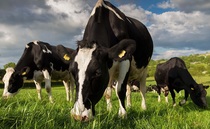
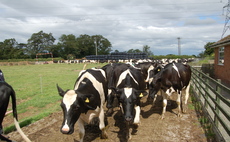
Beef and sheep farmer, Downham, Lancashire.
Thomas Binns had one of the last farms in Lancashire to be affected by the disease and he was culled out on June 21. He re-stocked after the crisis.
“We lost about 3,000 fell sheep and about 70 suckler cows, none of which was later found to have been infected,” says Mr Binns.
“For some time the disease had stopped on the other side of the A59, but suddenly it jumped and spread towards us. It was devastating and really pulled on the emotions.
“The moment it really hit home for me was when we went up to gather the fell sheep. Gathering sheep from the hills, which takes a couple of hours, always gives me a sense of satisfaction for a job coming together.
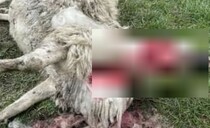
“But this time when we brought them down, the sheep, some with young lambs, were taken across the lane into a field where they were to be slaughtered.
“It choked me and I had to go inside when they started. It was all too much.
“The nagging feeling for some of us is that some questions were never really answered as to how it got into the country. It certainly was not introduced by farmers and it was not knowingly spread by farmers.”
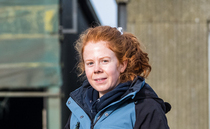
Paula Wolton, Devon
Organic beef and sheep farmer from Hatherleigh, Devon
Farming across 52ha (130 acres) in Devon, the suckler cow herd and sheep flock of Paula Wolton escaped the cull which affected many in west Devon in 2001.
A decade on she remains furious about the Government’s actions during the crisis and the lessons she believes have not been learnt.
She says: “Cattle movement controls have improved because of foot-and-mouth, but the Government remains non-committal when it comes to any future crisis and whether they would cull or vaccinate.
“The Silver Birch trial showed that bad communication remains a major issue and there are not enough vets on the ground to tackle the disease effectively. The policies they continue to adopt are political, not practical.
“The policies of tackling disease should be overhauled entirely. Look at Holland. That country relies on exports and has a vaccination to live policy for foot-and-mouth. Why are we not doing the same?
“The scary thing is we seem less prepared now than we were 10 years ago.”
Foot-and-mouth 10 years on: 'I fought NFU from the start' - Gibson
Foot-and-mouth 10 years on: Outbreak was 'worse than Falklands'
Foot-and-mouth 10 years on: Was it right not to vaccinate?
Foot-and-mouth 10 years on: Contiguous cull debate rages on
Foot-and-mouth 10 years on: Wales hit out of the blue
Foot-and-mouth 10 years on: The industry looks back
Foot-and-mouth 10 years on: Sir Ben Gill looks back
Foot-and-mouth 10 years on: 'Sinking feeling' as disease was confirmed
Foot-and-mouth 10 years on: How the disease hit Scotland
Foot-and-mouth 10 years on: How auction marts coped
Foot-and-mouth 10 years on: Have the lessons been learned?
Foot-and-mouth 10 years on: 'Blair fired me over FMD'


Readers' comments (4)
Jill Gordon | 2 March 2011 7:47 am
I echo the points above. We should have a vaccination to live policy and it needs to be decided now. It is more than abhorrent to rely on wholesale slaughter as a means of 'control'.
Unsuitable or offensive? Report this comment
arfon jones | 9 July 2011 9:48 am
we are still paying the price of the mistakes made by goverment ,6 day rules movement passports ,traceability == rubish they cant trace anything further than slaughter house
Unsuitable or offensive? Report this comment
Lynn | 5 November 2011 1:38 pm
Superior thinking dmonestrtaed above. Thanks!
Unsuitable or offensive? Report this comment
Anonymous | 9 November 2011 3:01 pm
wCqBhN , [url=http://faksbmbvcuom.com/]faksbmbvcuom[/url], [link=http://ngzhywtwwkti.com/]ngzhywtwwkti[/link], http://fvapvxpotxod.com/
Unsuitable or offensive? Report this comment