Making the most of arable crop insect pest predators
NATURAL insect predators will be the pest controllers of the future, according to University of Hull scientists who are working to help farmers accurately and quickly assess levels of parasitism by insect predators which control crop pests such as aphids.
The scientists are developing a reference collection of aphids and leaf-mining insect pests, and their associated insect predators, including hundreds of varieties of tiny parasitoid wasps.
Intervention
They say this will enable them to rapidly determine the type and rate of parasitism through examining a sample of pests from a crop. This information will help farmers decide whether or not intervention is needed.
The team hopes its research will lead to the use of parasites as pest control on open farmland becoming common practice.
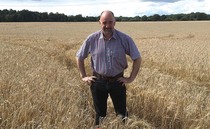
The two-year project is led by Dr Darren Evans, lecturer in conservation biology in the University of Hull’s department of biological sciences and is supported by CASS, the University’s business-facing renewable
energy and low carbon hub. The project has a particular focus on food and biofuel crops used by industry in the Yorkshire and Humber region.
Dr Evans says: “Developing this system will let us detect insect parasitism rates so we can better manage and enhance the environment. Using this approach, we will be able to predict pest outbreaks, reduce pesticide use and have an improved understanding of how to better manage the countryside for natural pest control.
“The aim is to try to find win-win solutions both for farmers and biodiversity. It doesn’t have to be an either/or situation.”
Get the latest from Farmers Guardian delivered straight to your inbox. Click here to sign-up today
-
Farming industry and breaking news alerts
Minimum twice weekly delivery -
Regular farming sector updates
Four-week cycle
Already receiving bulletins? Sign-in to edit your preferences


News that land is expected to reach almost £50,000/hectare (£20,000/acre) by 2020 is a double-edged sword for the farming industry – and for our PR beyond it.